
3 hr
Captain Cook Monument Afternoon Snorkel Sail
- Entry ticket
- Mobile voucher
- Valid same day
- Free cancellation
Captain Cook Snorkeling — Kealakekua Bay Marine Sanctuary
Crystal water at the monument reef, spinner dolphins at dawn.
Compare fares, pick the fit — all bookings are mobile-voucher and eligible for free cancellation where shown.
3 hr
4 hr 30 min
3 hr
| Experience | Duration | Rating | Lunch | Small group | Free cancel. | Price | |
|---|---|---|---|---|---|---|---|
|
Standard Entry
Most popular
Captain Cook Monument Afternoon Snorkel Sail
|
3 hr | ★ 4.8 | — | ✓ | ✓ | $136 | Book → |
|
Premium Combo
Captain Cook Reef Catamaran Adventure with Lunch
|
4 hr 30 min | ★ 4.7 | ✓ | ✓ | ✓ | $80 | Book → |
|
Standard Entry
Captain Cook Snorkel & Sightseeing Expedition
|
3 hr | ★ 4.9 | — | ✓ | ✓ | $125 | Book → |
Boat tours offer superior comfort and gear logistics, while the Captain Cook Monument Trail Hike provides a challenging, self-paced physical expedition. Most visitors find that captain cook snorkeling tours are the more convenient choice for families, whereas the trail appeals to those seeking an active marine preserve experience.
|
Top pick Boat/Kayak Tour |
Monument Trail Hike | |
|---|---|---|
| Physical exertion level | Low (passive transport) | High (steep descent and ascent) |
| Access to snorkeling gear | Provided on-board | None (must carry own) |
| Time required | 3–4 hours | 4–6 hours |
| Cost | 120–180 USD per person | 0 USD (Free entry to the state historical park) |
| Convenience of entry to water | Directly from boat ladder | Rocky shoreline entry |
| Safety support | On-board staff and lifeguards | No professional supervision |
| See tickets & prices |
Verdict: Choose a captain cook snorkeling tour for gear-inclusive convenience or the trail for an independent adventure, though skip-the-line captain cook snorkeling tickets are not required since the park entrance fee is 0 USD.
Hand-picked experiences loved by thousands of travelers
4 hours
Free Cancellation
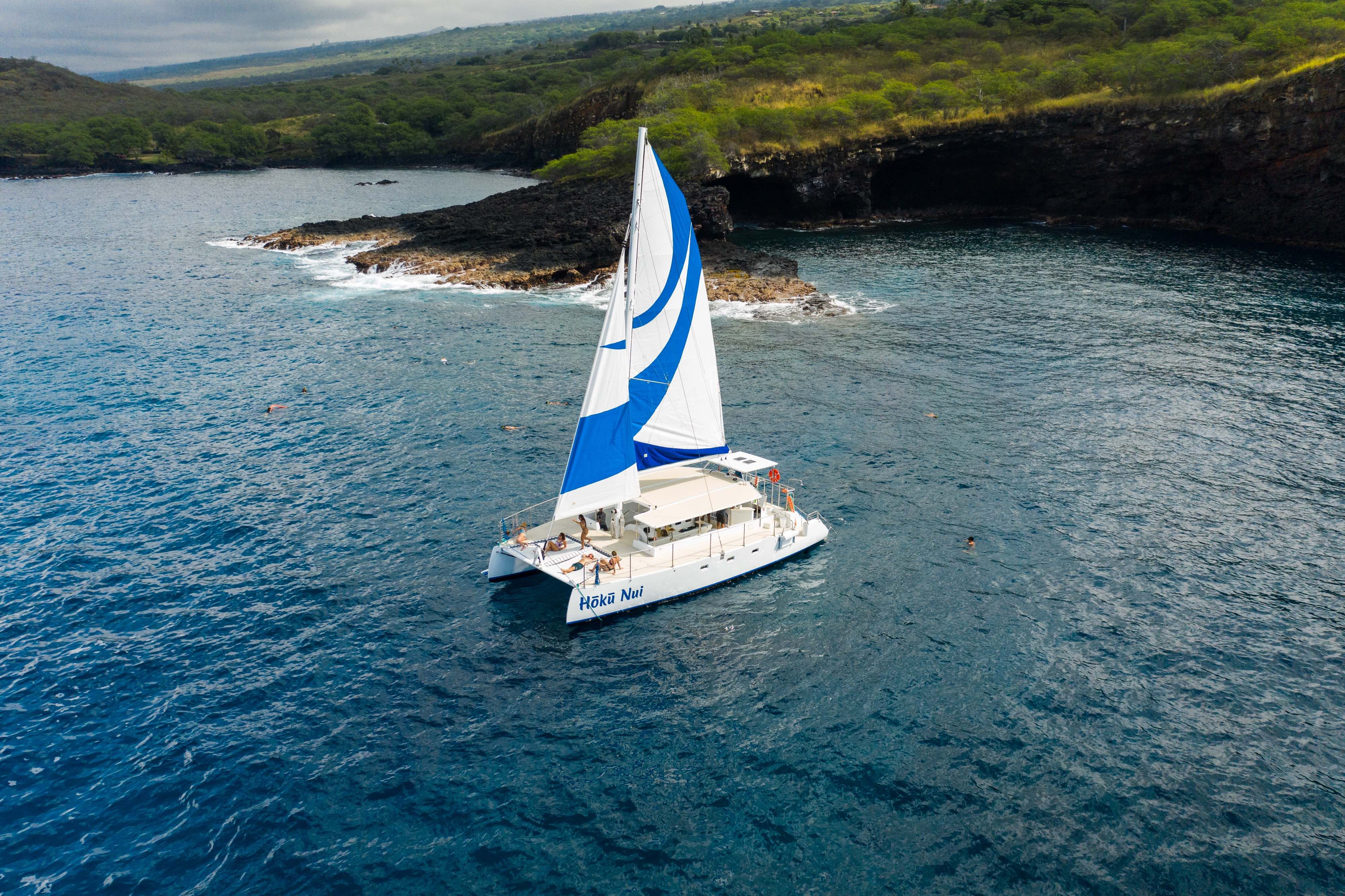
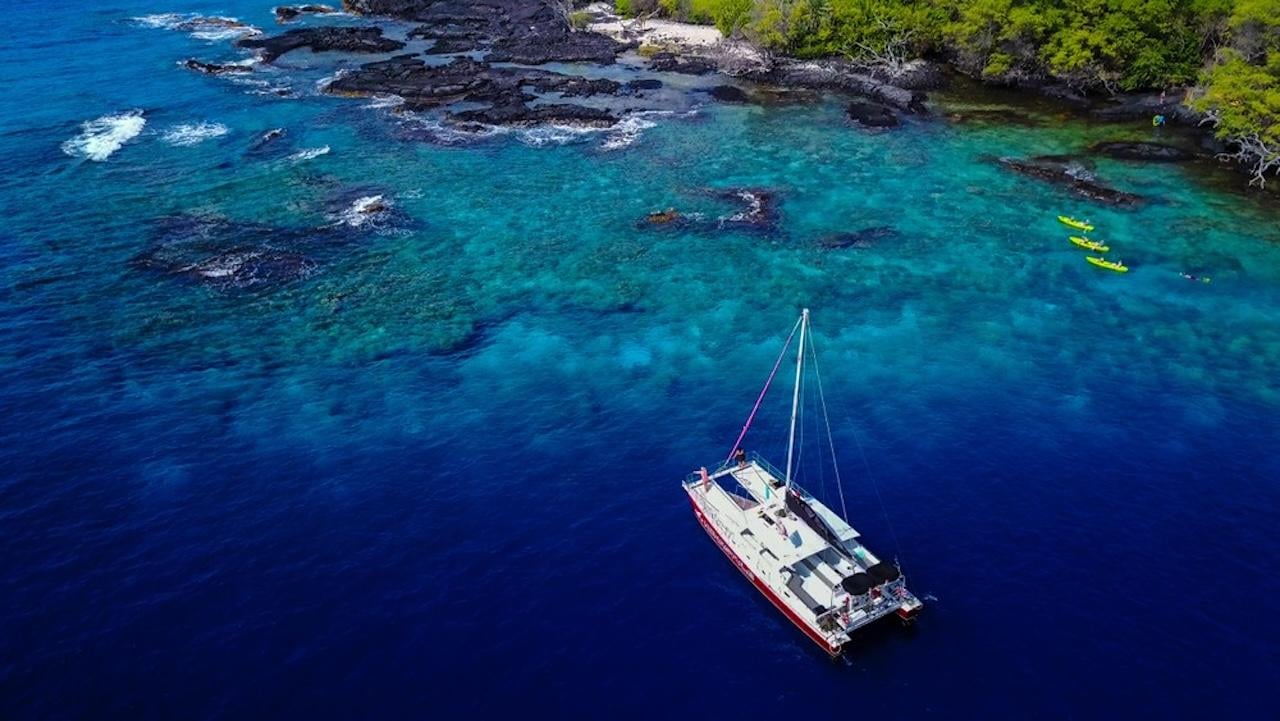
Sail the Kona coast, swim with spinner dolphins, and snorkel pristine coral reefs aboard a comfortable catamaran.
4.5 hours
Free Cancellation
Luxury catamaran voyage to pristine Kealakekua Bay marine sanctuary with dual snorkel stops
4 hours 30 minutes
Free Cancellation
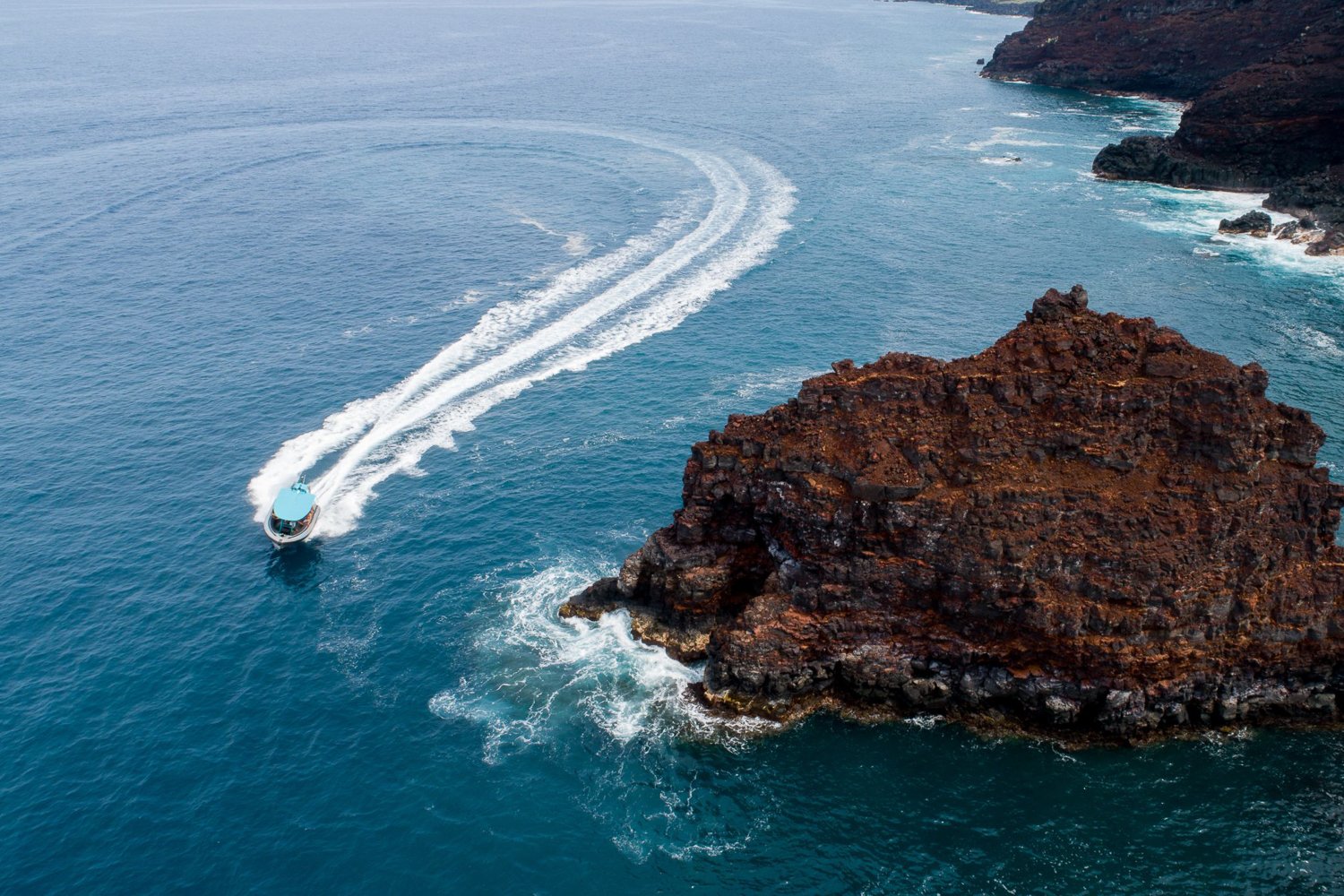
Half-day inflatable boat journey along Hawaii's volcanic coastline with dual snorkel stops and onboard meal
3 hours
Free Cancellation
Sail along Kona's coast on a historian-narrated voyage featuring island cuisine and coastal landmarks
5 hours
Free Cancellation
Explore three pristine snorkeling spots, sea caves, and lava formations on a five-hour coastal journey
4 hours
Free Cancellation
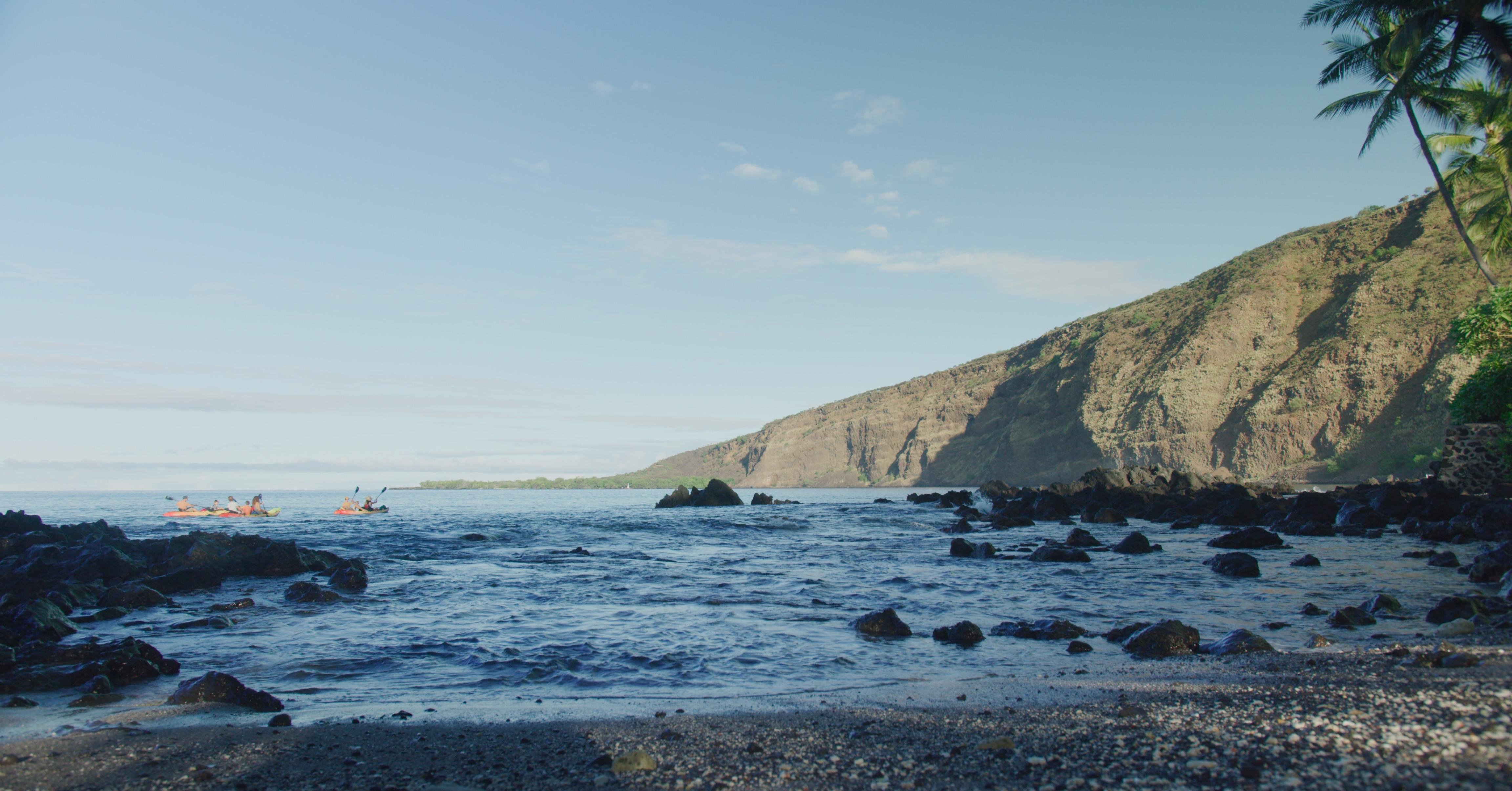
Paddle pristine waters, snorkel vibrant reefs, and encounter dolphins in Hawaii's protected marine sanctuary
4 hours
Free Cancellation
Sail the Kona Coast to a marine sanctuary, snorkel crystal-clear waters, and watch for dolphins and turtles
4 hours
Free Cancellation
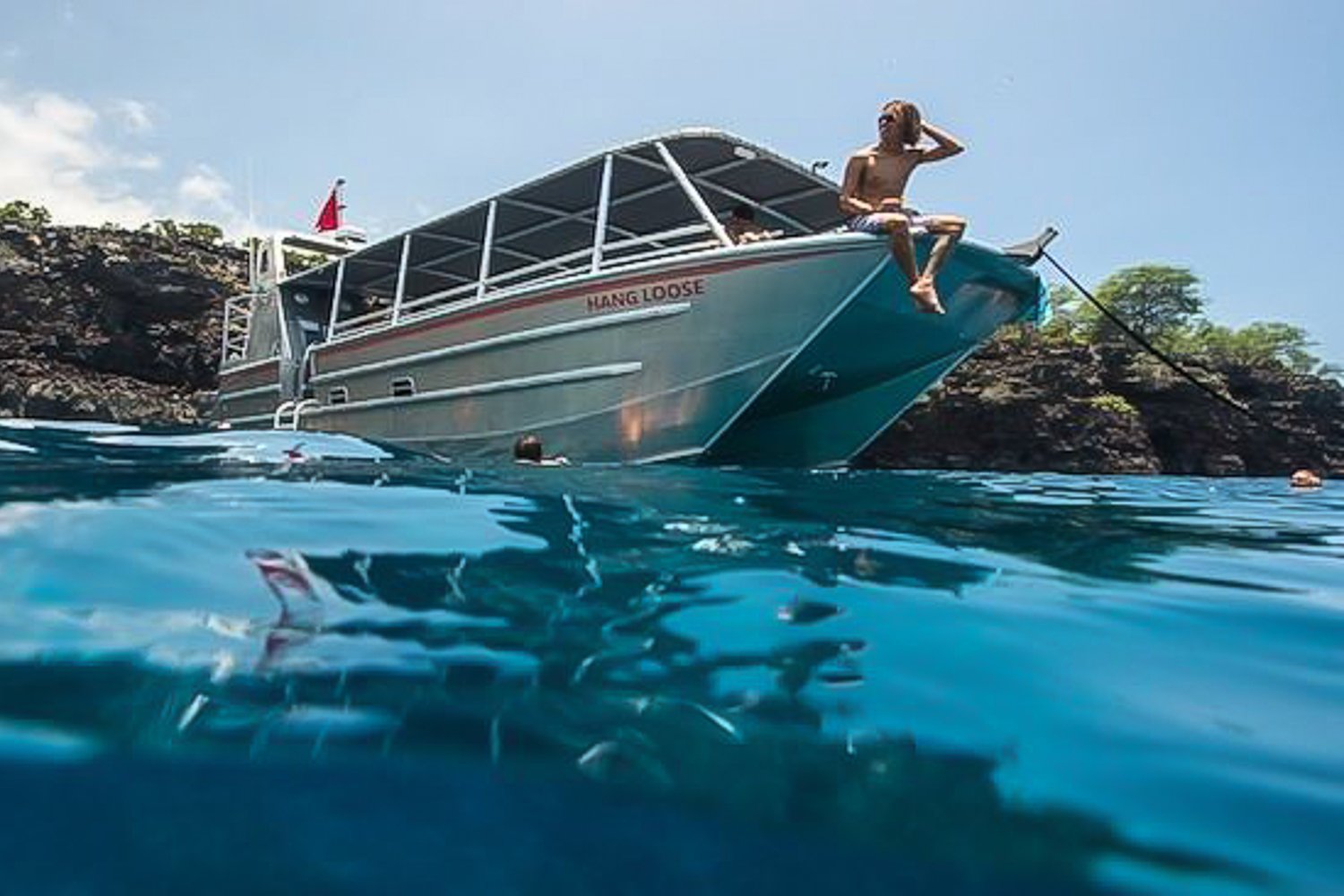
Design your own ocean journey aboard a 33-foot rigid hull boat along the stunning Kona Coast
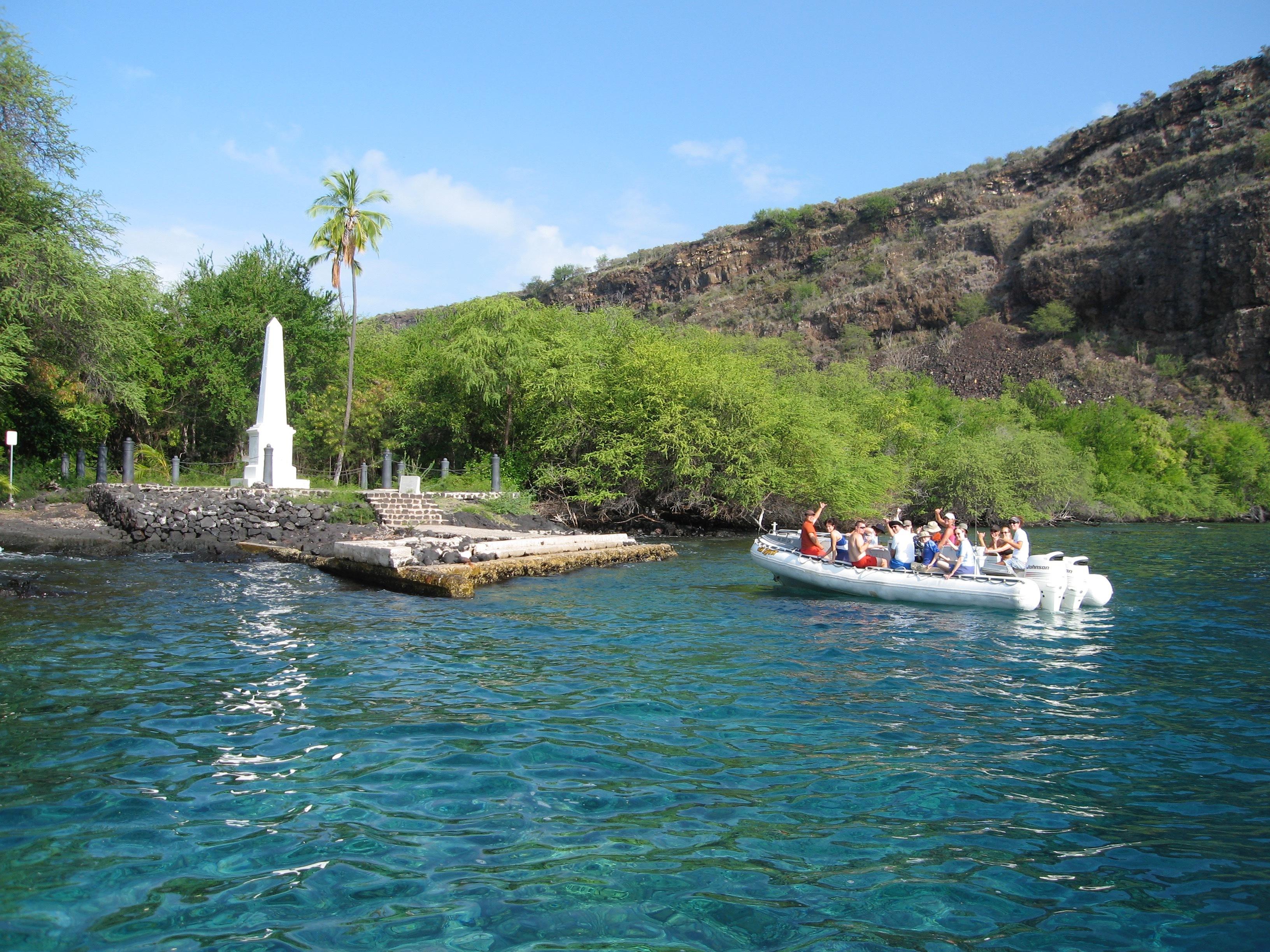
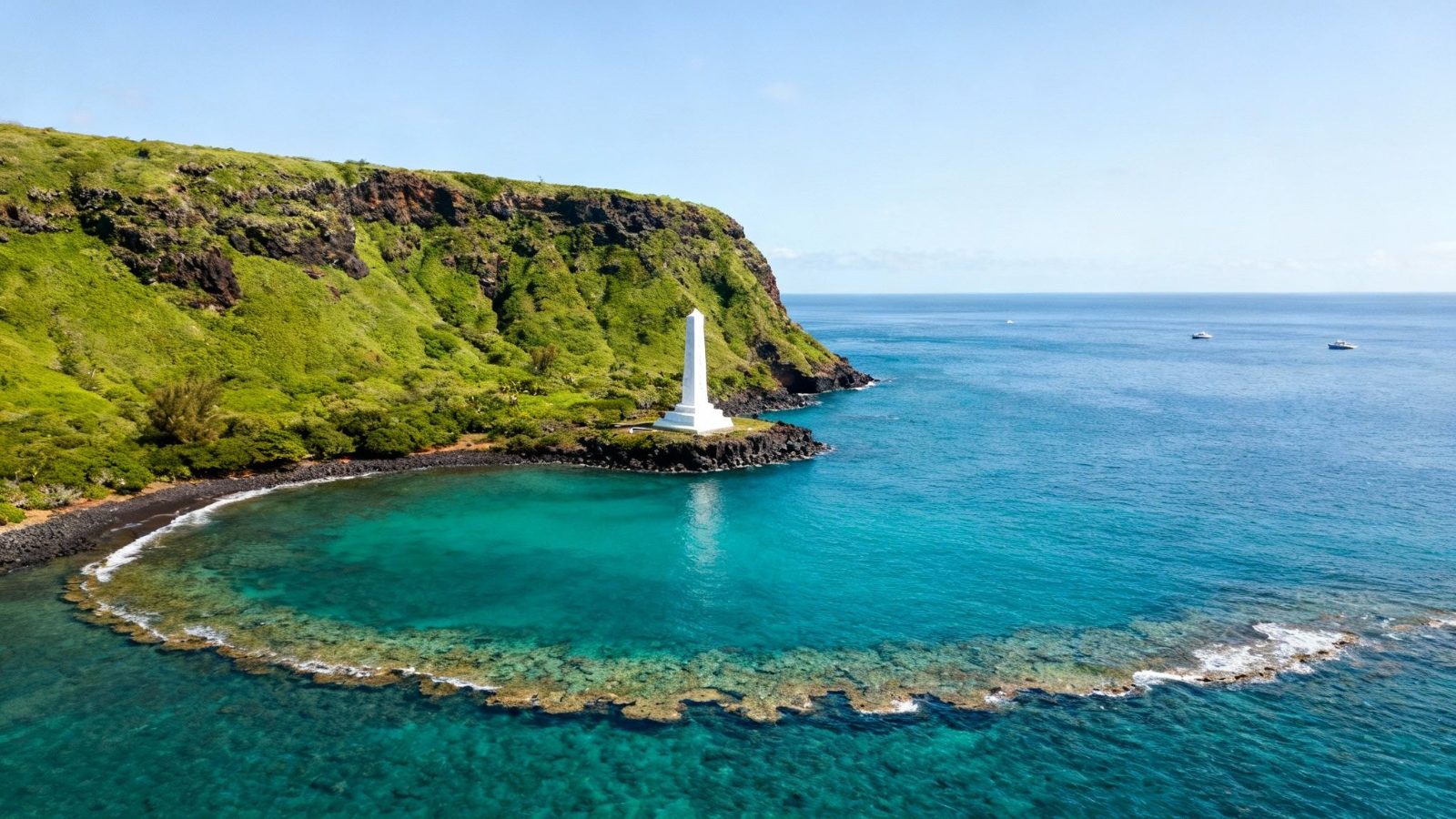
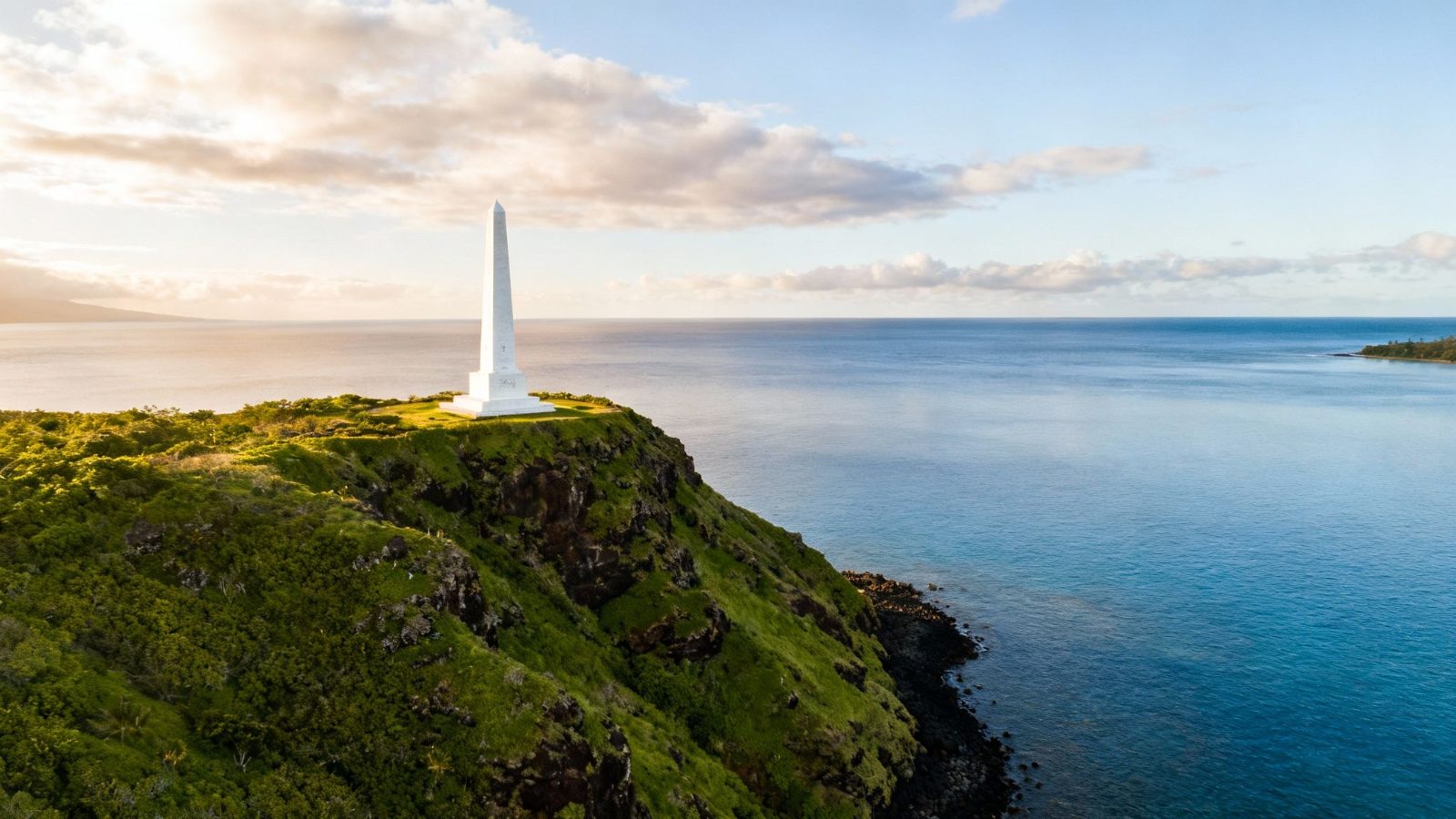
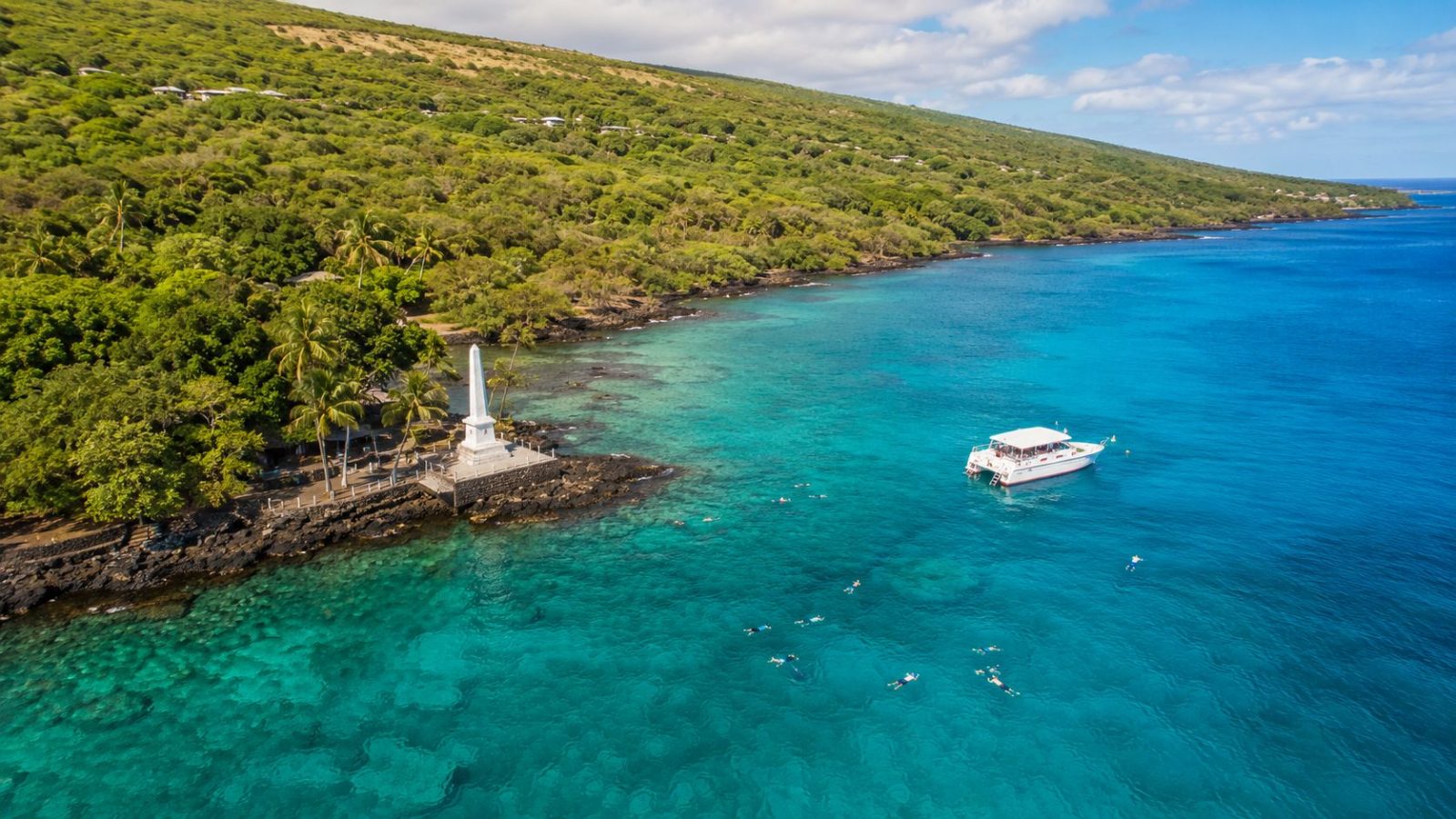
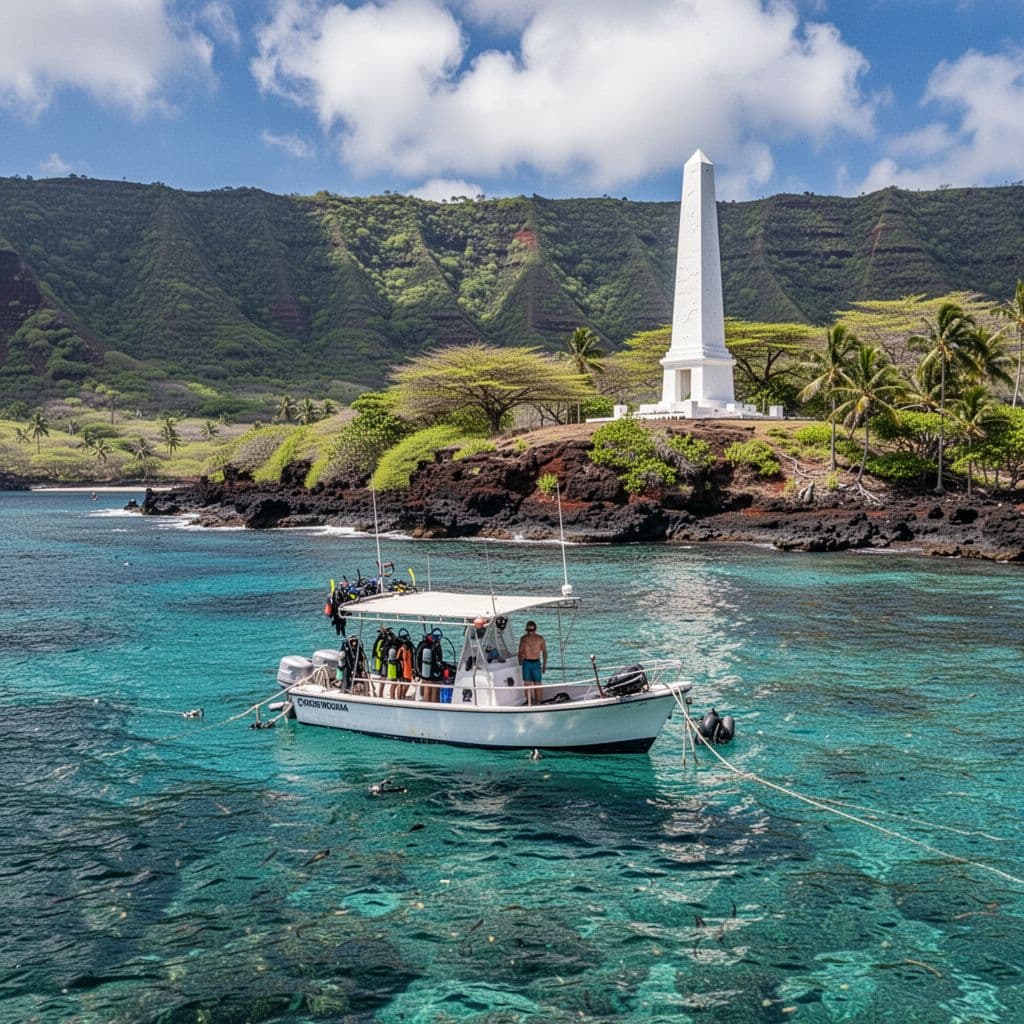
A white obelisk erected in 1874 to commemorate the explorer. It marks the spot where Captain James Cook died in 1779.
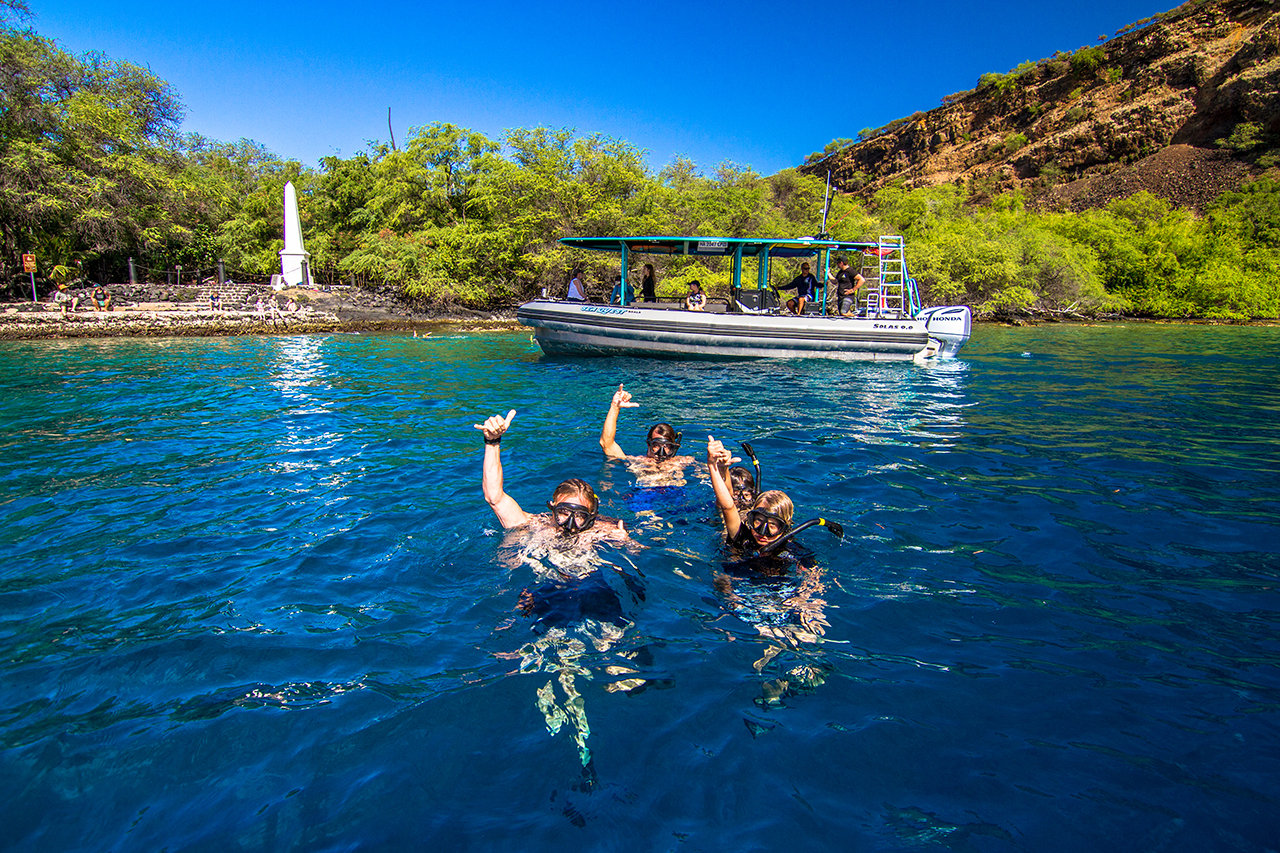
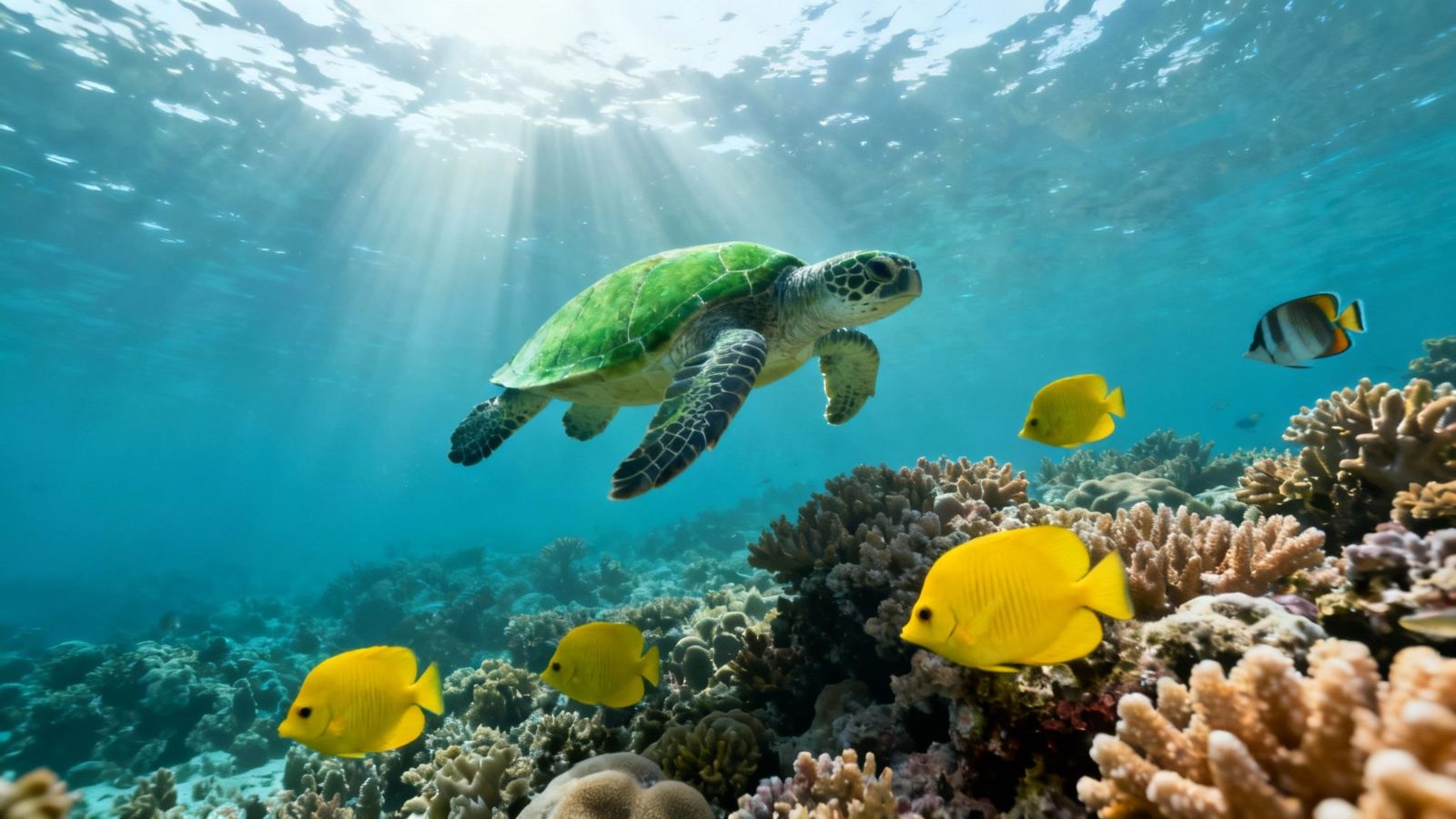
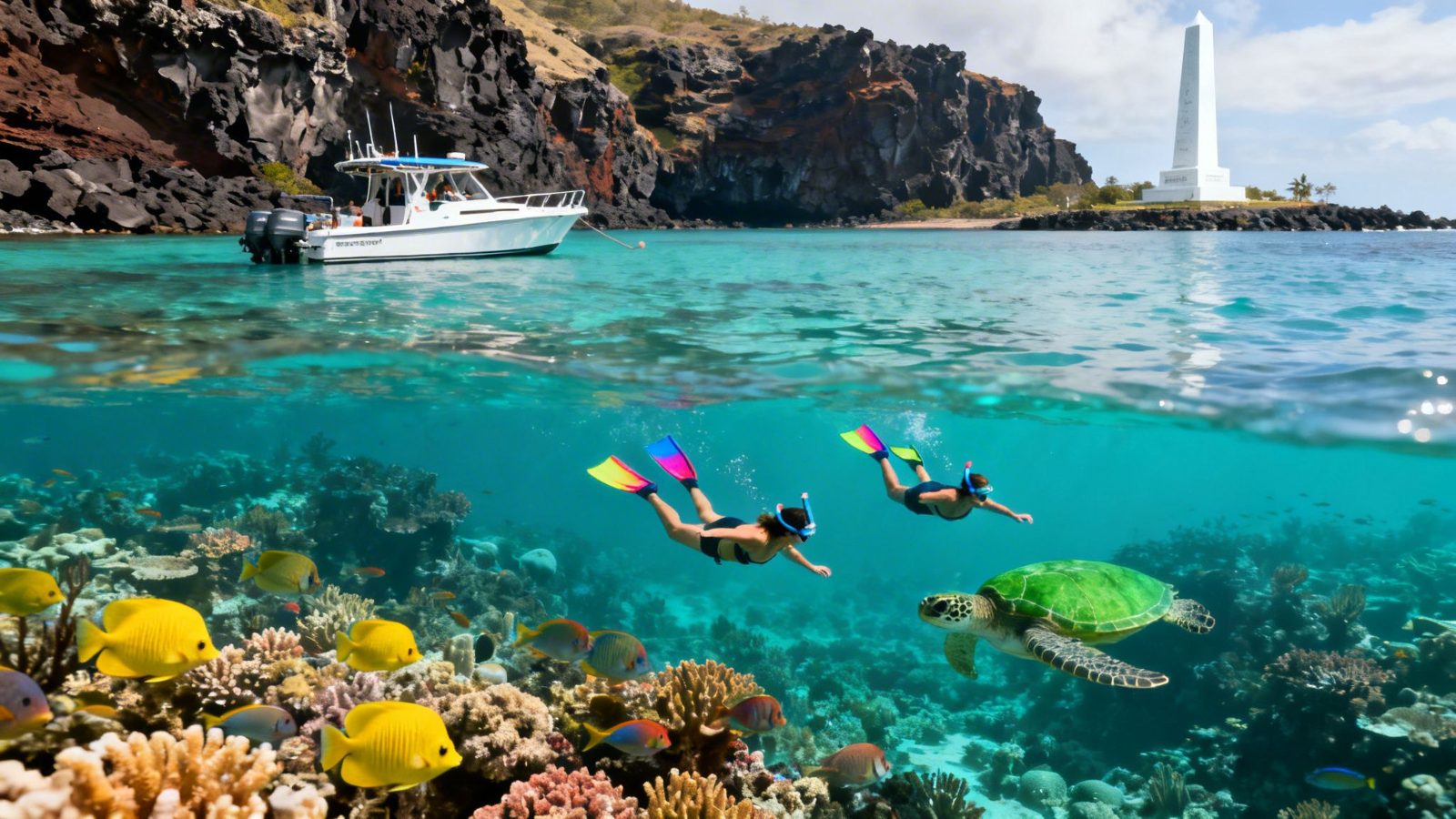
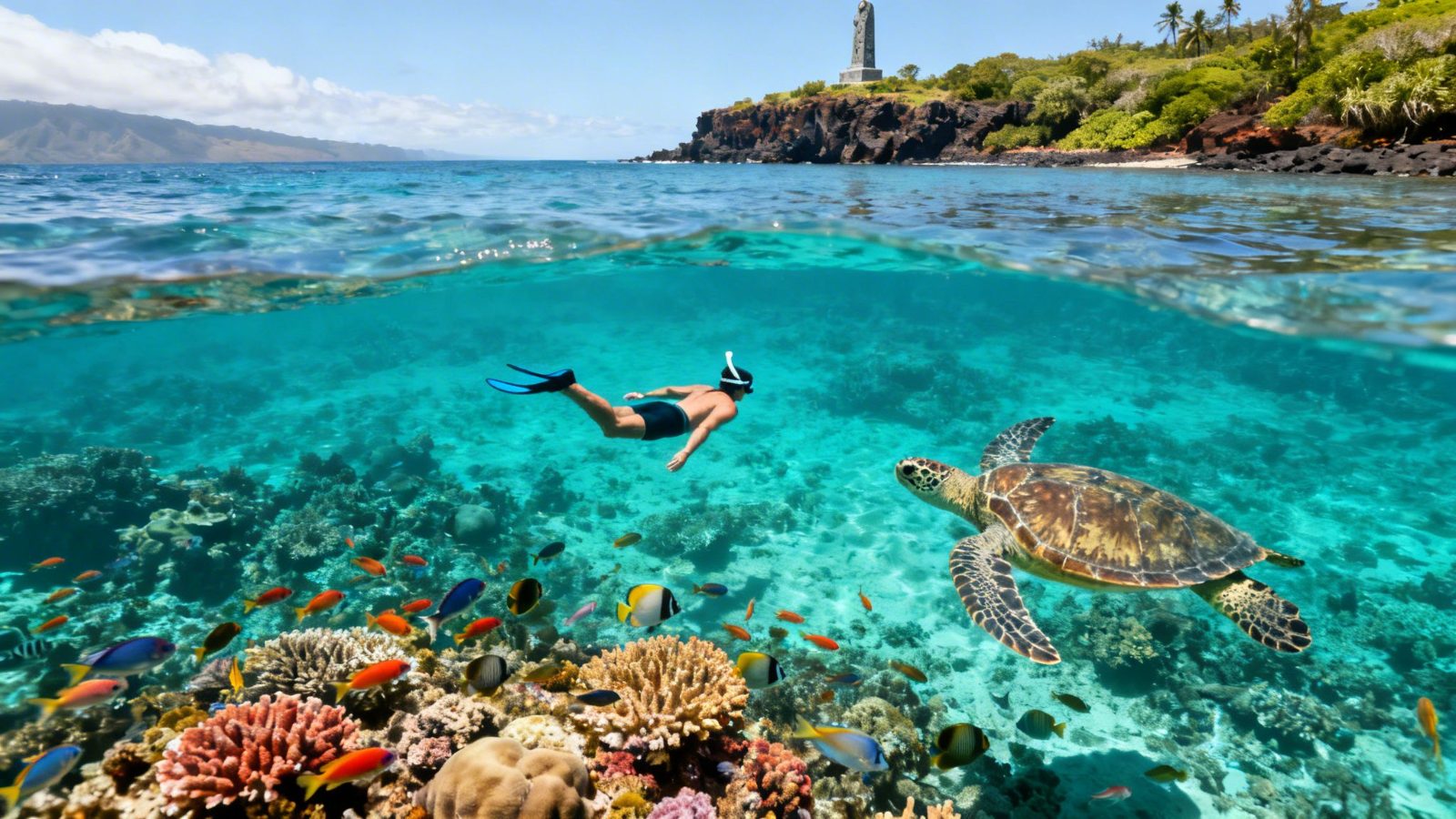
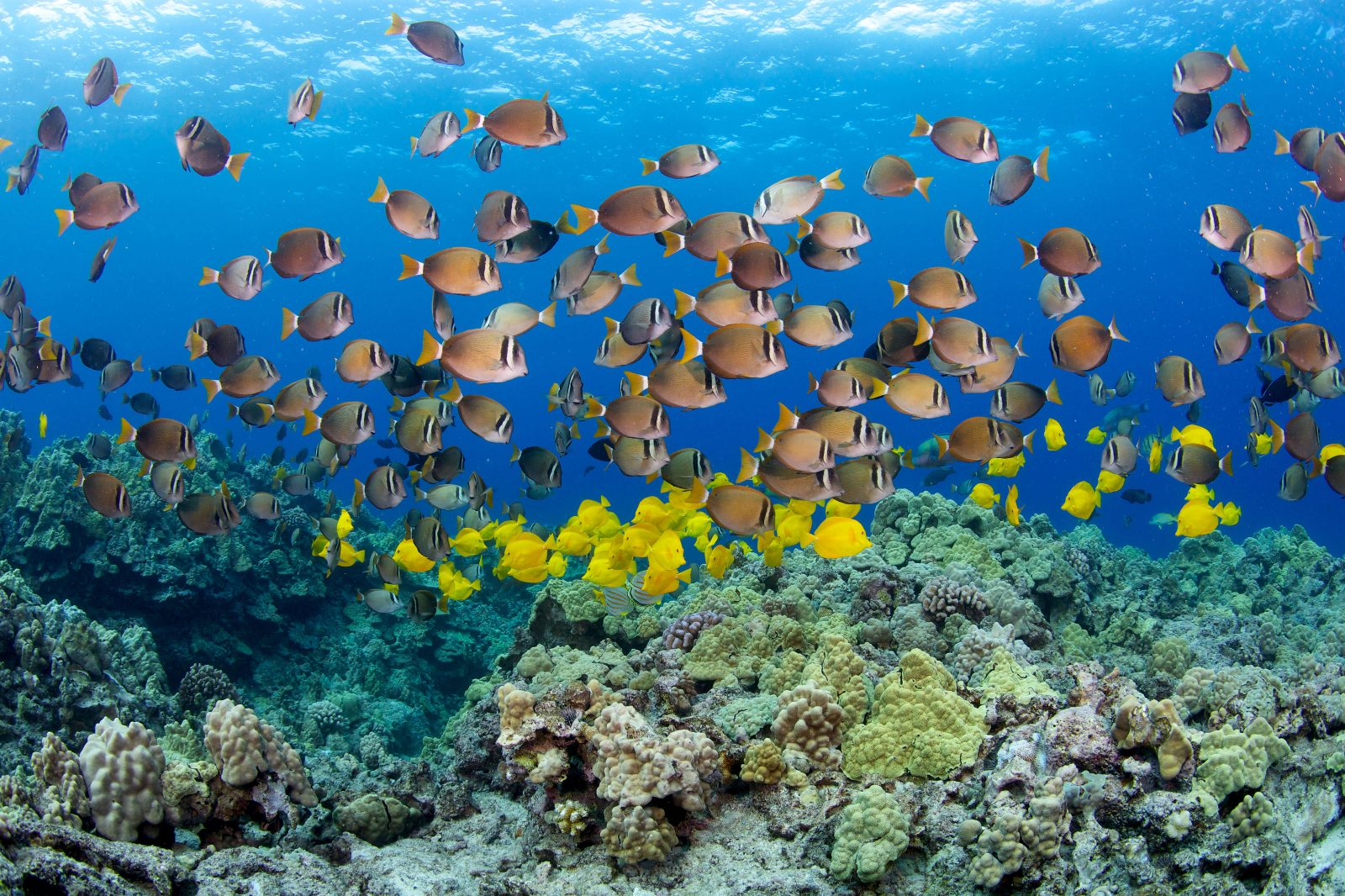
The waters are strictly protected to maintain reef health. You will see abundant tropical fish and coral varieties.
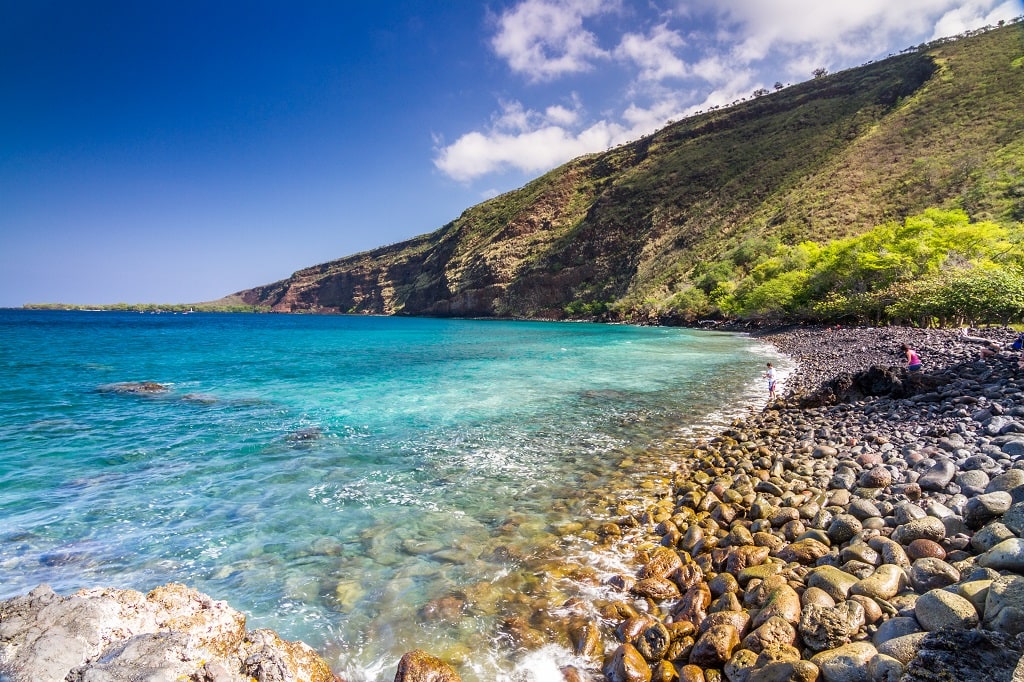
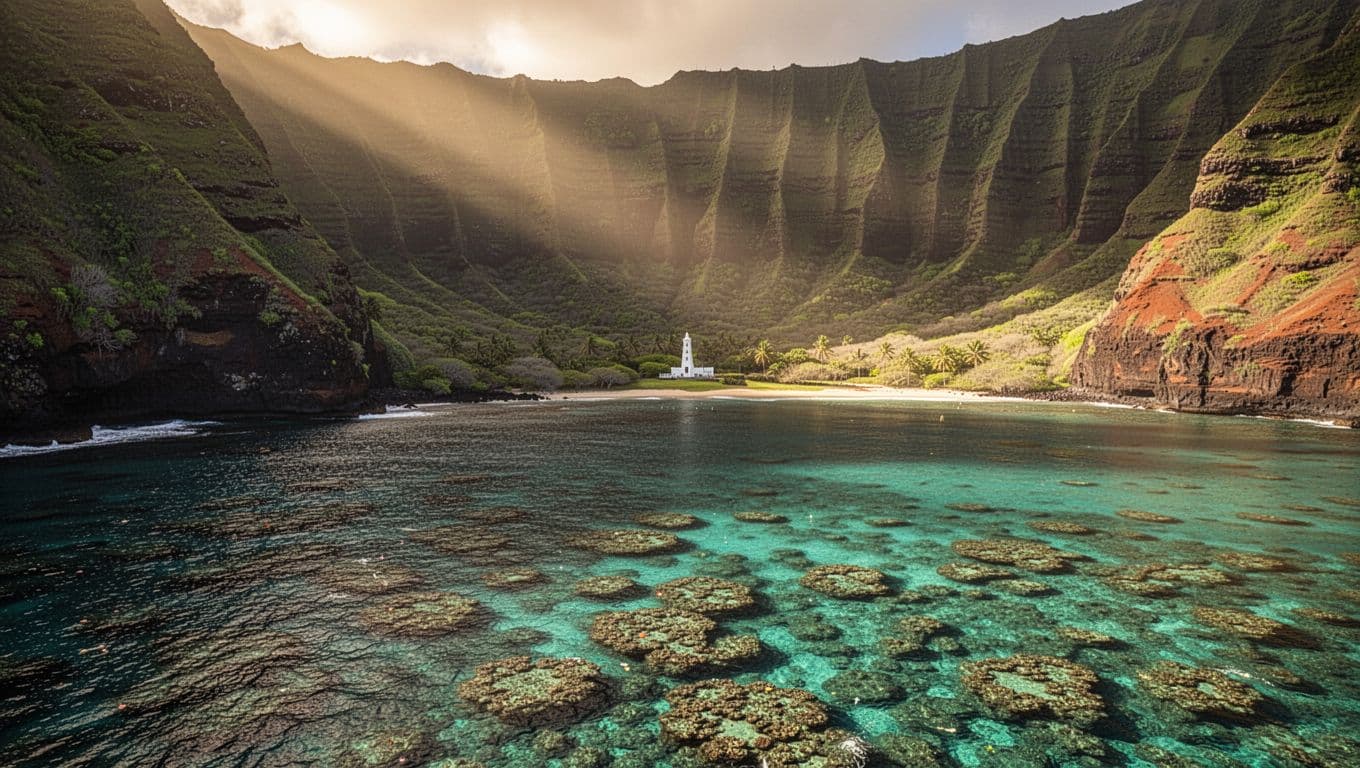
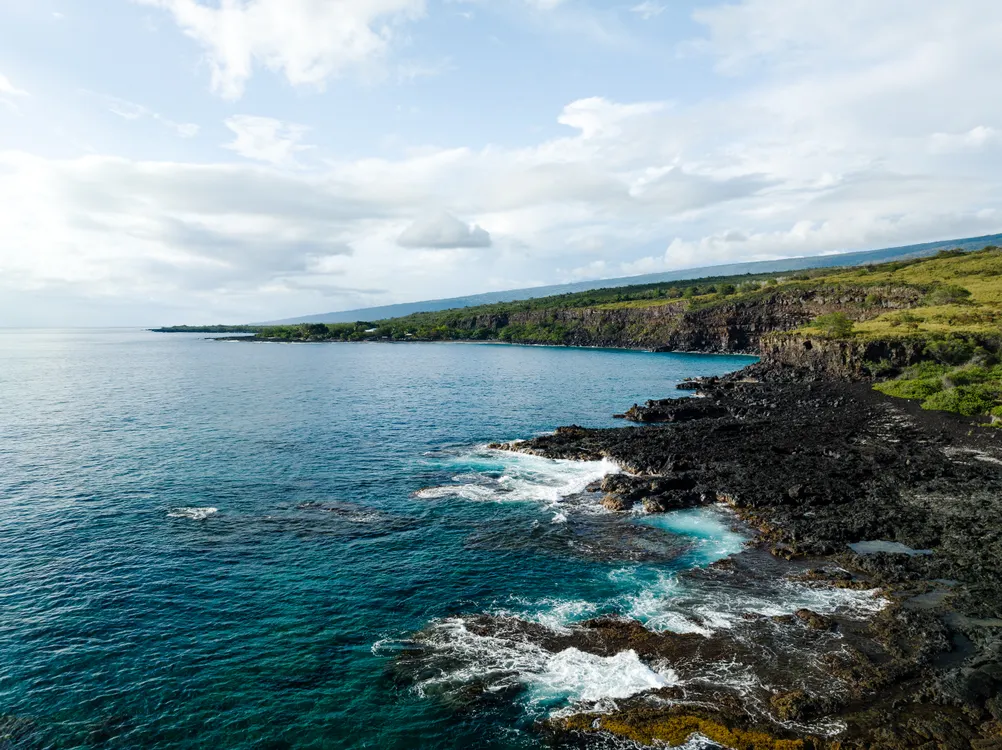
The bay features dramatic lava rock formations along the coast. These cliffs provide a unique backdrop for snorkelers.
All the details about your upcoming adventure in one place
Captain cook snorkeling offers access to one of Hawaii's most pristine marine sanctuaries, where spinner dolphins frequent the turquoise waters and coral reefs teem with tropical fish. The monument marks where the explorer landed in 1779, and the surrounding bay remains a protected conservation district with visibility often exceeding 100 feet. Captain cook snorkeling tours depart from Napoopoo or Keauhou Bay, providing gear and marine life interpretation along the coastline.
Kealakekua Bay holds the highest coral cover density in the Hawaiian archipelago — scientific surveys in 2024 documented living coral across 68 percent of the bay floor, a figure unmatched anywhere else in the state.
The 315-acre marine preserve, established in 1969, extends from the white obelisk marking Captain James Cook's 1779 landing site to the submerged lava shelves two hundred meters offshore. Water clarity routinely exceeds forty meters. Surface temperatures hold between 75 and 79 degrees year-round.
The bay's ecological richness stems from its coastal geography. Napoopoo Road descends 400 feet from the highland coffee belt to a crescent of black sand and tide pools, where freshwater springs meet saltwater in a nutrient exchange that sustains yellow tang, parrotfish, Moorish idols, and endemic butterflyfishes. Captain Cook snorkeling tours depart from Keauhou and Kailua-Kona harbors because road access to the monument itself closed in 2011 after rockfall damaged the coastal trail. Boat-based approaches now deliver the majority of daily visitors — commercial catamarans, rigid inflatables, and outrigger canoes all converge at the northern mooring field between seven and ten in the morning, when spinner dolphins rest in the shallows after nocturnal feeding offshore.
The monument reef runs parallel to the cliff base in depths from six to thirty feet. Brain coral heads the size of automobiles anchor the inner shelf. Finger coral colonies flank deeper channels where green sea turtles graze on algae mats. The outer reef drops to sixty feet along a lava ledge where manta rays glide during plankton blooms. Captain Cook snorkeling kona operators schedule trips to coincide with flood tide, which pulls oceanic water into the bay and maximizes visibility. Most captain cook snorkeling cruises allot sixty to ninety minutes in the water. Kayak-based captain cook snorkeling hawaii trips require two hours of paddling each way from Napoopoo Beach Park, but allow flexible timing and smaller group sizes. The state permits a maximum of sixteen commercial vessels in the bay at one time. Kealakekua Bay State Historical Park itself charges no entrance fee and opens daily from seven in the morning to eight at night, though water access after four o'clock often meets rougher afternoon wind chop.
Water clarity routinely exceeds forty meters.
Entry to the state historical park is 0 USD. There are no reservations or cancellations for general access to the bay.
Weather · crowds · average price — dots go green to amber to red as each metric rises.
Mild water temperatures and consistent visibility.
Warmest weather, though afternoon trade winds may increase.
Generally calm sea conditions for captain cook snorkeling.
Possible high surf on the Kona coast may limit access.
Bring at least two liters of water per person. Heat and humidity increase quickly on the trail.
Wear sturdy shoes for the hike down to the water. The path contains loose volcanic rock.
Do not touch or stand on the coral. This preserves the delicate ecosystem for future captain cook snorkeling trips.
Kealakekua Bay entered global consciousness on January 17, 1779, when Captain James Cook anchored the Resolution and Discovery in its sheltered waters. The bay had served for centuries as a sacred site for Native Hawaiians, who called it the "pathway of the gods." Cook's arrival during the Makahiki festival led Hawaiians to receive him with elaborate ceremonies at the nearby Hikiau Heiau temple. The coral reefs that today draw captain cook snorkeling enthusiasts witnessed a profound cultural collision that would reshape the Hawaiian archipelago. Cook's initial departure on February 4 seemed peaceful, but storm damage forced his return on February 11. Tensions escalated rapidly. On February 14, following the theft of a ship's cutter, Cook came ashore with armed marines to take Chief Kalaniʻōpuʻu hostage. A confrontation erupted on the volcanic shoreline. Hawaiian warriors killed Cook and four marines in the melee that followed. The exact spot became a contested historical marker. The British government erected a white obelisk monument in 1874 on the lava shelf where Cook fell, marking the centennial of his Pacific voyages. The site remains British sovereign territory, a legal anomaly within Hawaii. Meanwhile, captain cook snorkeling tours evolved as the bay's exceptional marine biodiversity attracted researchers and visitors. The Hawaiian state designated Kealakekua Bay a Marine Life Conservation District in 1969, restricting access to preserve the ecosystem Cook's men first documented. Archaeological surveys in the 1980s mapped submerged cultural sites and confirmed the bay's role as an ancient canoe landing. Today's snorkeling activities concentrate near the Captain Cook Monument, where reef fish thrive in waters protected from commercial fishing. The convergence of natural preservation and historical commemoration creates a unique underwater heritage site, though access debates continue between conservation advocates and tourism interests.
Captain Cook lands at Kealakekua Bay on January 17 during the Hawaiian Makahiki festival
Cook is killed on February 14 following a confrontation over a stolen boat cutter
British government erects a white obelisk monument on the exact site of Cook's death
Territory of Hawaii designates the monument area as a historical preserve
Hawaii establishes Kealakekua Bay as a Marine Life Conservation District, restricting access
Archaeological teams document submerged cultural sites and ancient canoe landing zones
State implements stricter commercial tour regulations to protect the fragile reef ecosystem
Stand directly at the base of the white stone monument to capture the vertical structure against the backdrop of the bay. Use a wide-angle lens to include the lava rock shoreline.
Position yourself along the trail leading down to the shore for a high-angle shot capturing the entire basin. This angle highlights the deep blue contrast of the Pacific water against the lush green cliffs.
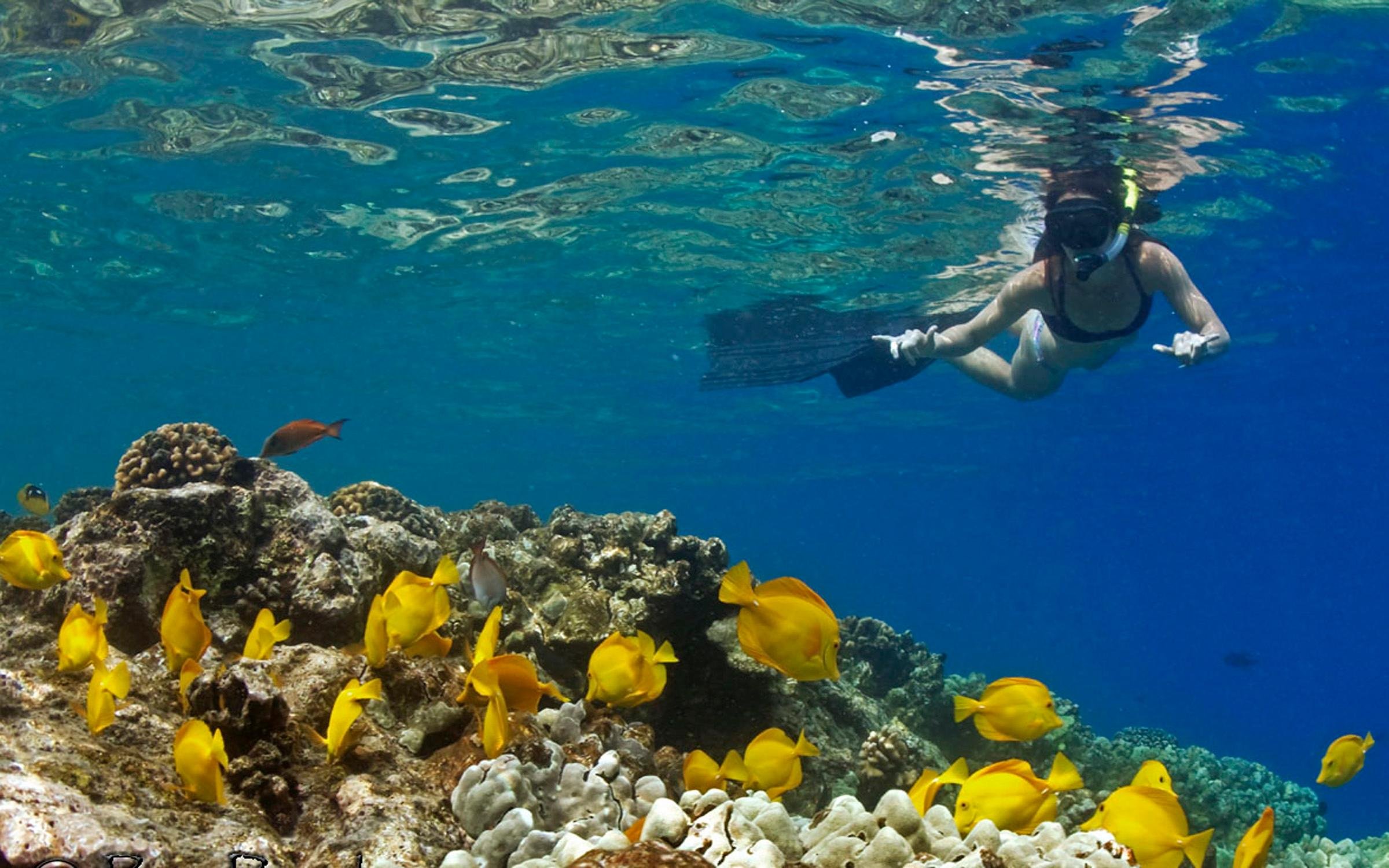
Submerge your camera to photograph the vibrant reef formations and schools of tropical fish found in the crystal clear water. This is the prime spot for capturing the unique marine ecosystem during a captain cook snorkeling session.
Capture the traditional canoe entry points and the jagged volcanic coastline from the water's edge. This location provides a grounded perspective of the area frequented by those on a captain cook snorkeling tour.
Everything you need to know for your journey
The bay is not fully accessible due to steep, rugged terrain. It is best suited for those who can navigate uneven ground.
Yes, you can bring food, but you must carry out all trash. There are no facilities or vendors at the site.
Wear appropriate swimwear and sun protection. Rash guards are recommended for captain cook snorkeling.
A site of refuge with significant cultural importance.
Famous for its painted interiors.
Primary hub for vacation rentals and hotels.
Proximity to local lodging options.
Join thousands of happy travelers who have discovered this incredible experience
Book Your Experience Now