3 hr
Kealakekua Bay Snorkel & Captain Cook Monument Tour
- Entry ticket
- Mobile voucher
- Valid same day
- Free cancellation
Captain Cook Snorkeling Kona — Reef Tours & Monument Access
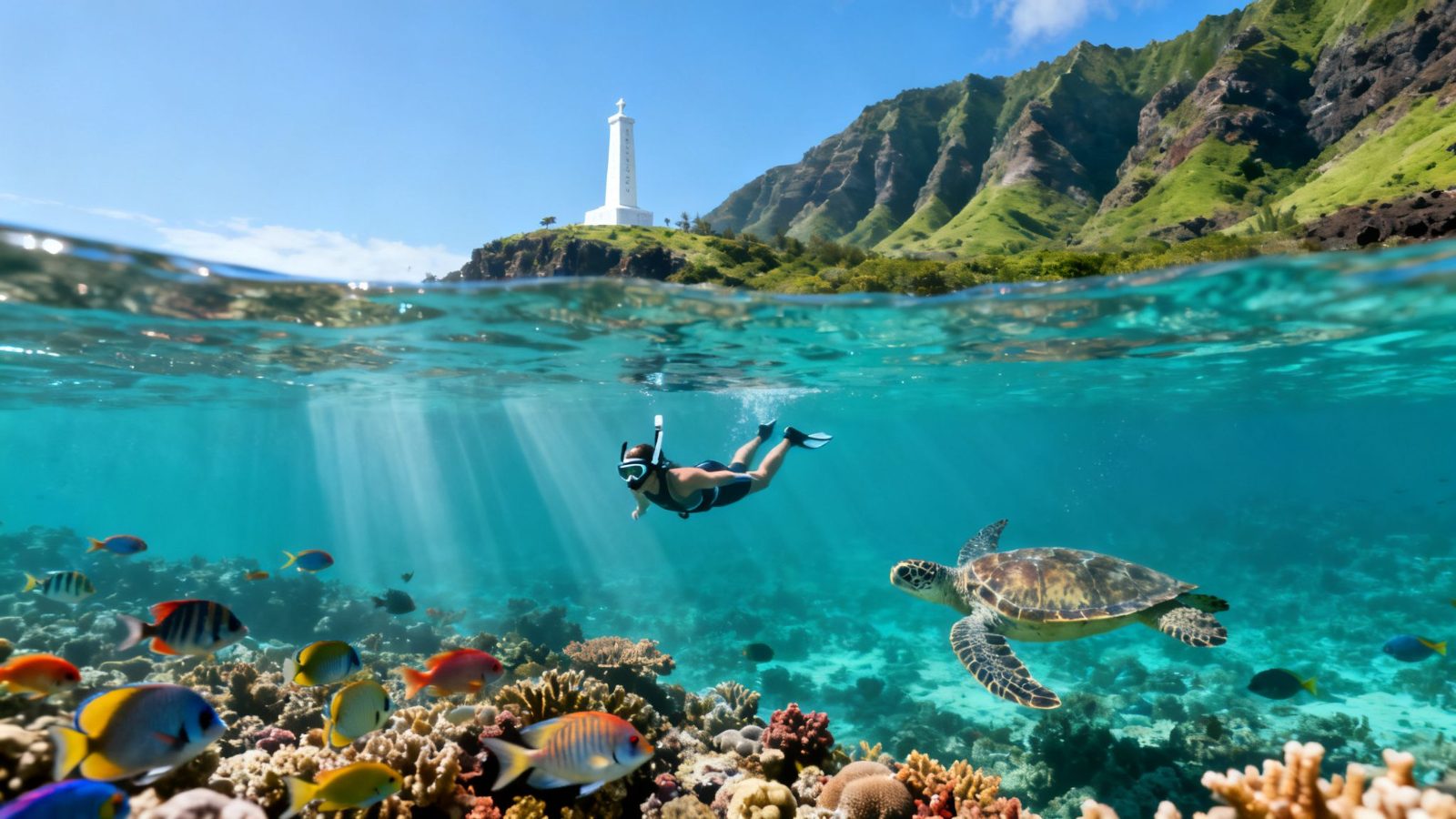
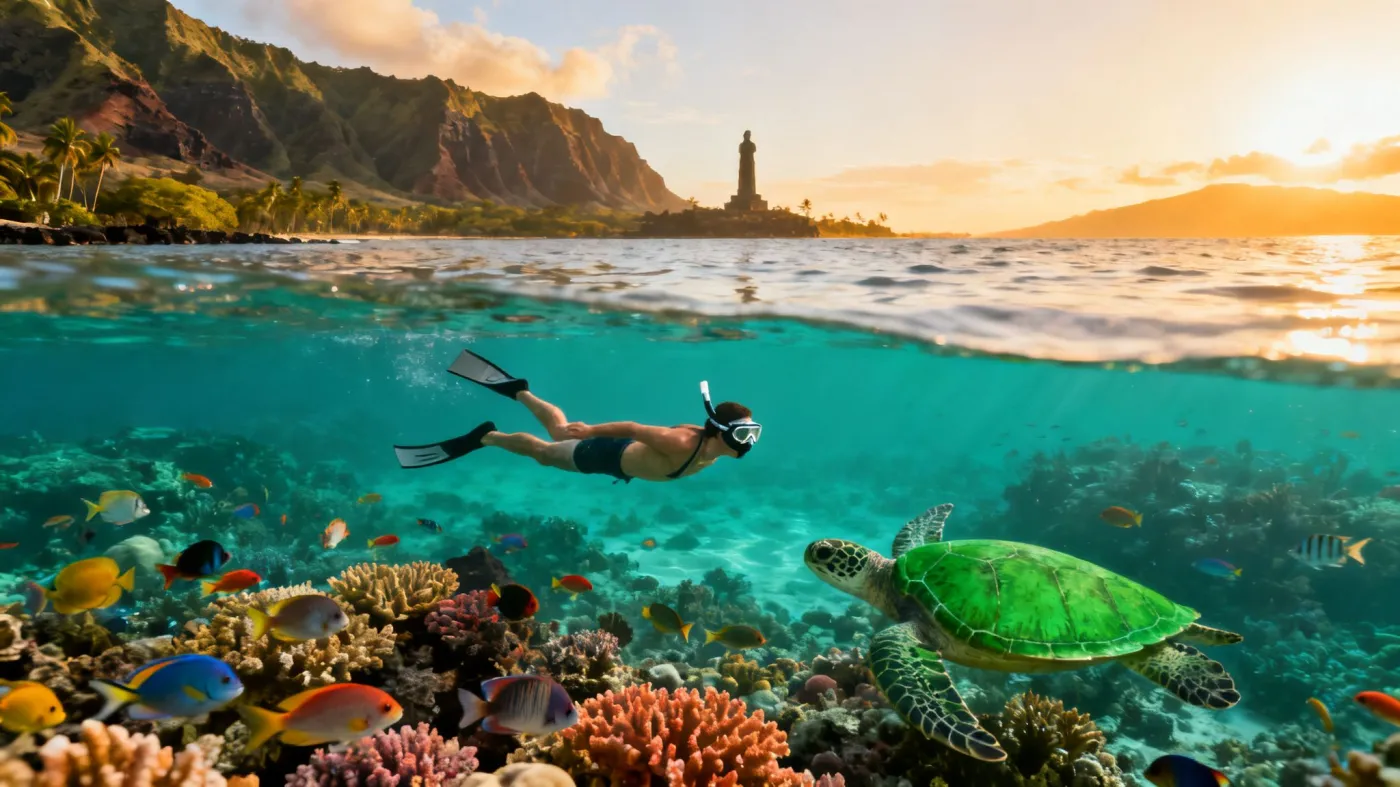
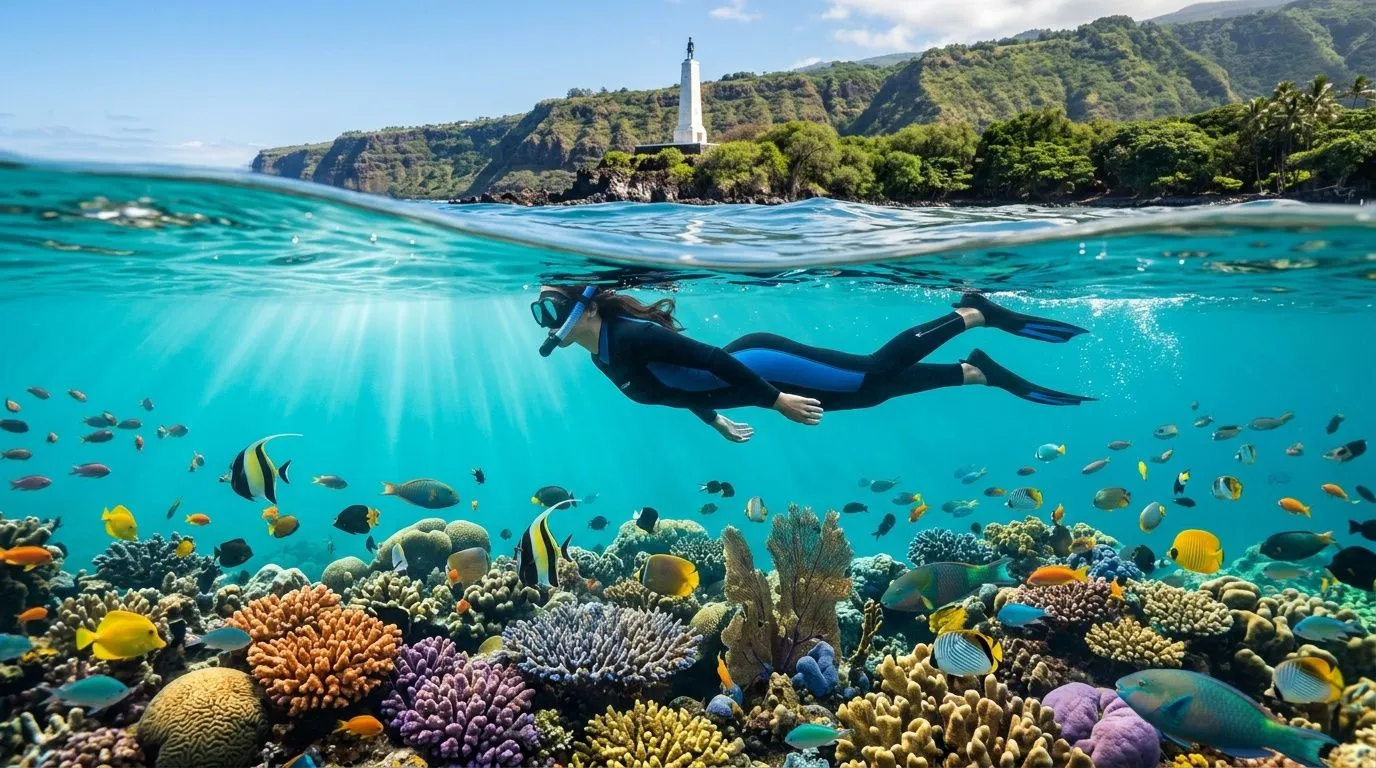
Kealakekua Bay's protected waters, where Cook's voyage met its end
Compare fares, pick the fit — all bookings are mobile-voucher and eligible for free cancellation where shown.
3 hr
4 hr
2 hr
Choosing how to experience captain cook snorkeling kona depends on whether you prefer the convenience of a guided transit or the physical challenge of reaching the monument independently. Navigating these Kona landmarks requires balancing time and effort to reach the protected reef.
|
Top pick Boat Tour Guided/Fast (Recommended) |
Kayak Rental Active/Permitted | Self-Guided Hike Free/Strenuous | |
|---|---|---|---|
| Access Method | Boat Transit | Permitted Kayak | Foot Trail |
| Wait Time | None (Scheduled) | Variable (Permit) | None |
| Inclusions | Gear/Instruction/Transit | Kayak/Gear/Permit | None |
| Best For | First-timers/Families | Adventurous paddlers | Fit hikers/Budget |
| See tickets & prices |
Verdict: For most visitors, selecting official captain cook snorkeling kona tours offers the most reliable access to the marine life conservation district.
Worth it for marine life enthusiasts
Captain cook snorkeling kona delivers exceptional reef biodiversity at Kealakekua Bay, one of Hawaii's most protected marine sanctuaries. Tour operators depart from Kona with boats accessing the monument area where spinner dolphins frequently appear and coral formations remain pristine. Visibility typically exceeds 100 feet, and the bay's protected status means you'll encounter tropical fish density unmatched elsewhere on the island. Tours range from morning catamaran cruises with dolphin encounters to focused snorkel expeditions at the monument itself. The state park charges no entrance fee, though boat access is the practical route since the overland trail is strenuous. If you prioritize marine encounters over beach lounging, the investment pays off—this is snorkeling calibrated for the Kona coast's best underwater terrain, not a generic ocean dip.
Bottom line: Captain cook snorkeling kona tours justify their cost if you value world-class reef access over convenient beach snorkeling.
They complement each other; most visitors who do both call the boat-based captain cook snorkeling kona tour the more seamless, high-visibility reef experience, while Two Step offers superior freedom for those preferring a shore-entry approach.
|
Top pick Kealakekua Bay |
Two Step (Honaunau) | |
|---|---|---|
| Access Method | Boat or hike | Drive-to shore entry |
| Typical Duration | 3–4.5 hours | Flexible (1–3 hours) |
| Entry Style | Boat ladder or kayak | Natural rock 'two step' |
| Price for Visitors | 71–214 USD (tours) | 0–5 USD (parking) |
| Marine Life | High density reef | High density reef |
| Suitability | All levels (guided) | Confident swimmers (shore) |
| Booking Constraints | Reservations required | None (public access) |
| Water Entry Intensity | Low (assisted) | Moderate (tide dependent) |
| See tickets & prices |
Verdict: Choose the captain cook snorkeling kona tour if you want an organized, all-inclusive day with deep-water access, or opt for Two Step if you prefer independent timing and low-cost exploration.
Hand-picked experiences loved by thousands of travelers
11 hours
Free Cancellation
Discover Hawaii's volcanic craters, black sand beaches, cascading waterfalls, and Kona coffee plantations
12 hours
Free Cancellation
Journey through lava fields, black sand shores, and volcanic craters before stargazing under Mauna Kea's skies
5 hours
Free Cancellation
Descend sacred cliffs on a traditional trail, snorkel pristine reefs, and discover Hawaiian culture
11 hours
Free Cancellation
Explore volcanic landscapes, black sand shores, coffee farms and waterfalls on this immersive day tour
12 hours
Free Cancellation
Journey through coffee plantations, black sand shores, and active volcanic landscapes on this comprehensive island expedition
11 hours
Free Cancellation
Full-day journey through volcanic landscapes, black sand shores, and coffee country with included meals
1 hour
Free Cancellation
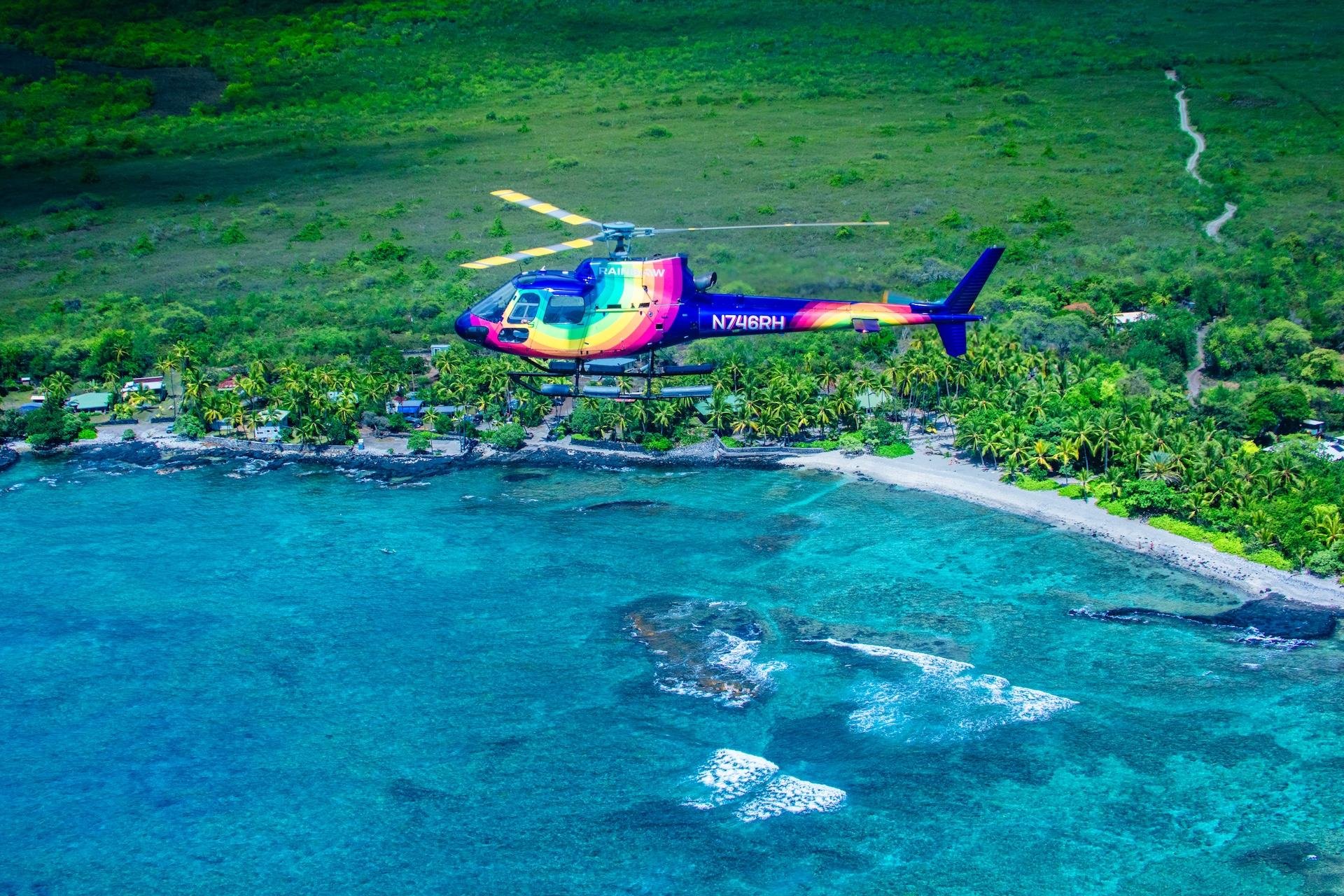
Soar above Kona's coastline and Hualalai's volcanic slopes on a thrilling aerial adventure
7 hours
Free Cancellation
Discover authentic Hawaiian culture with local guides: coffee tasting, sacred sites, sea turtles, and island lunch
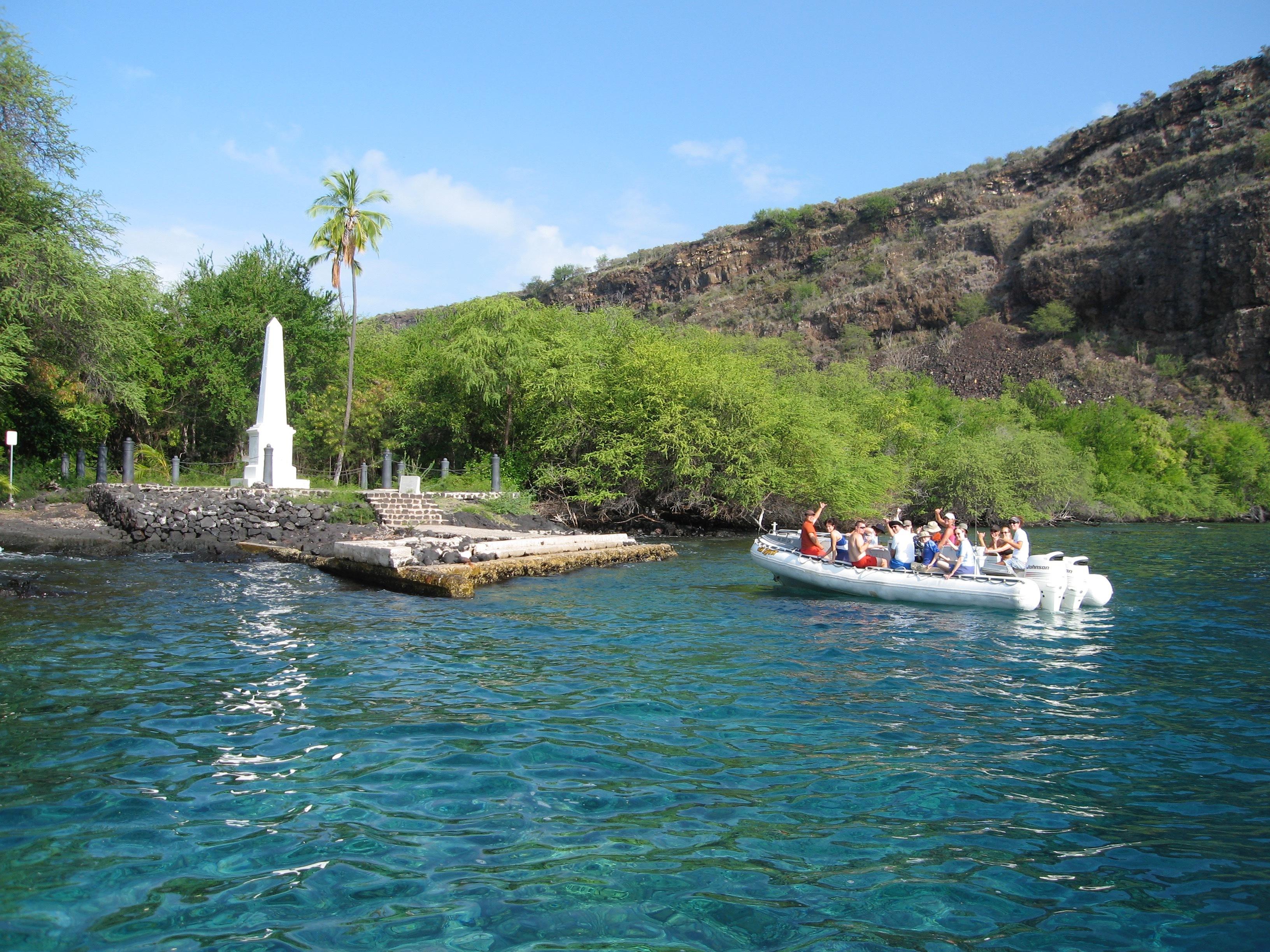
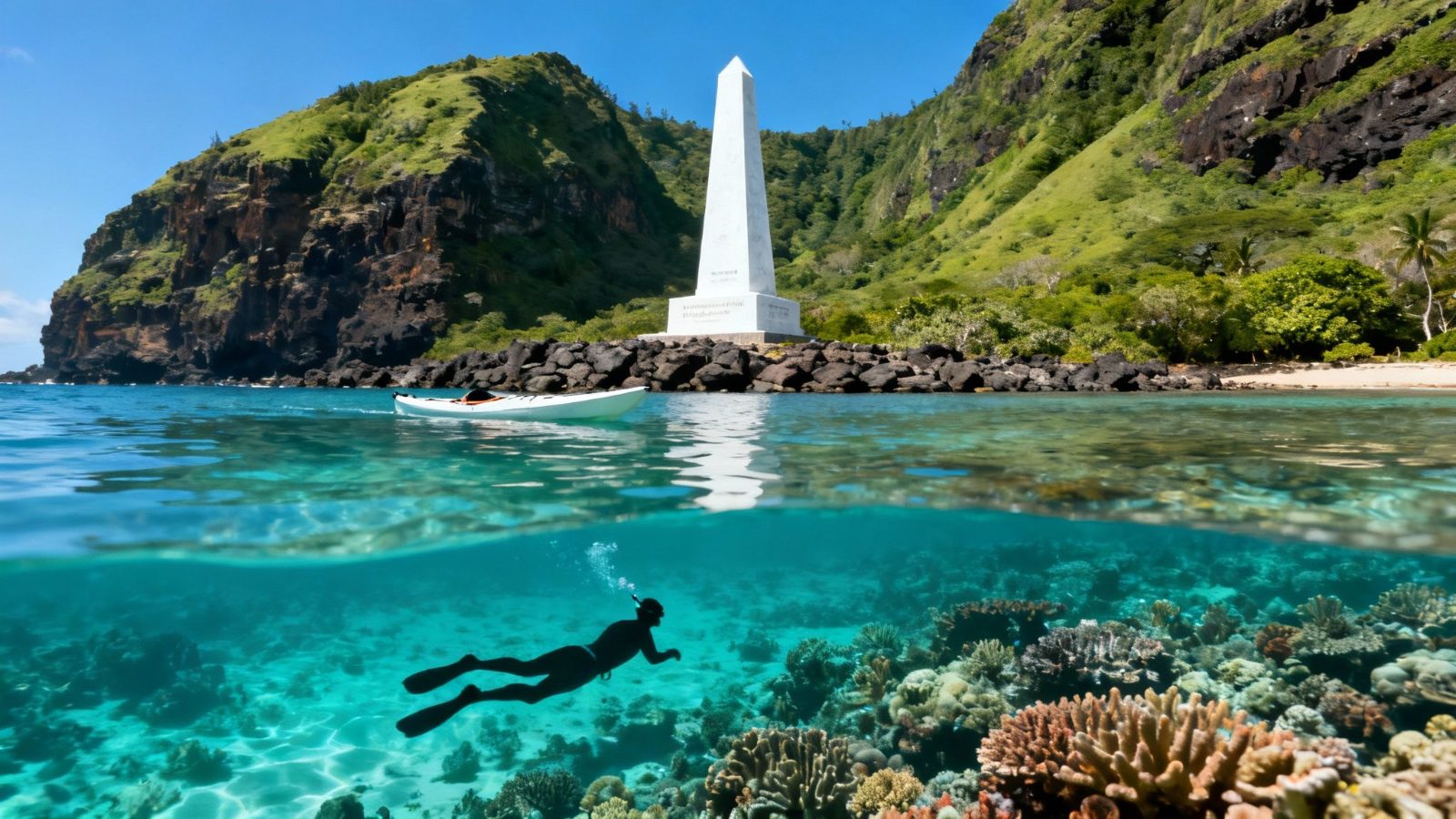
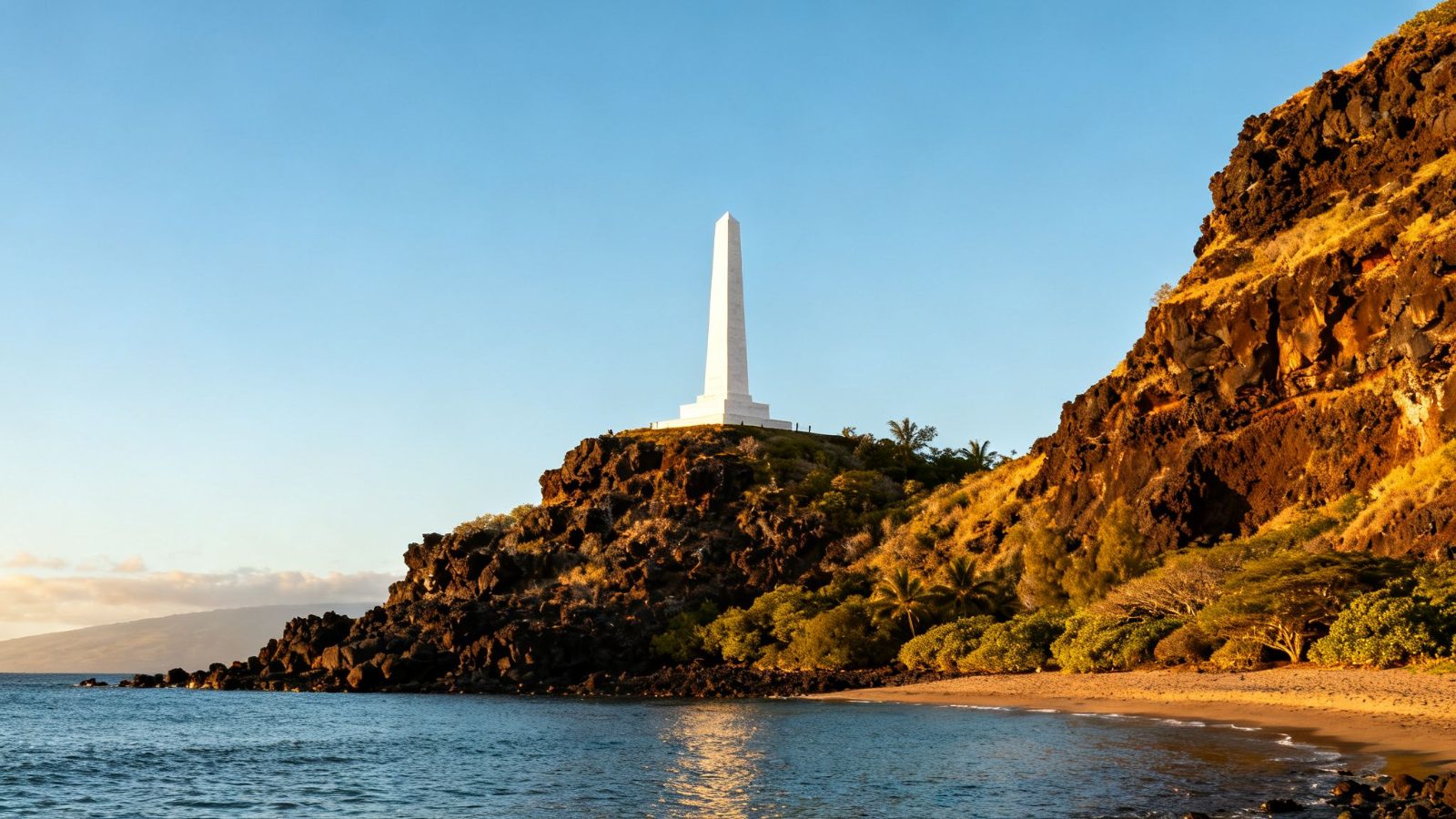
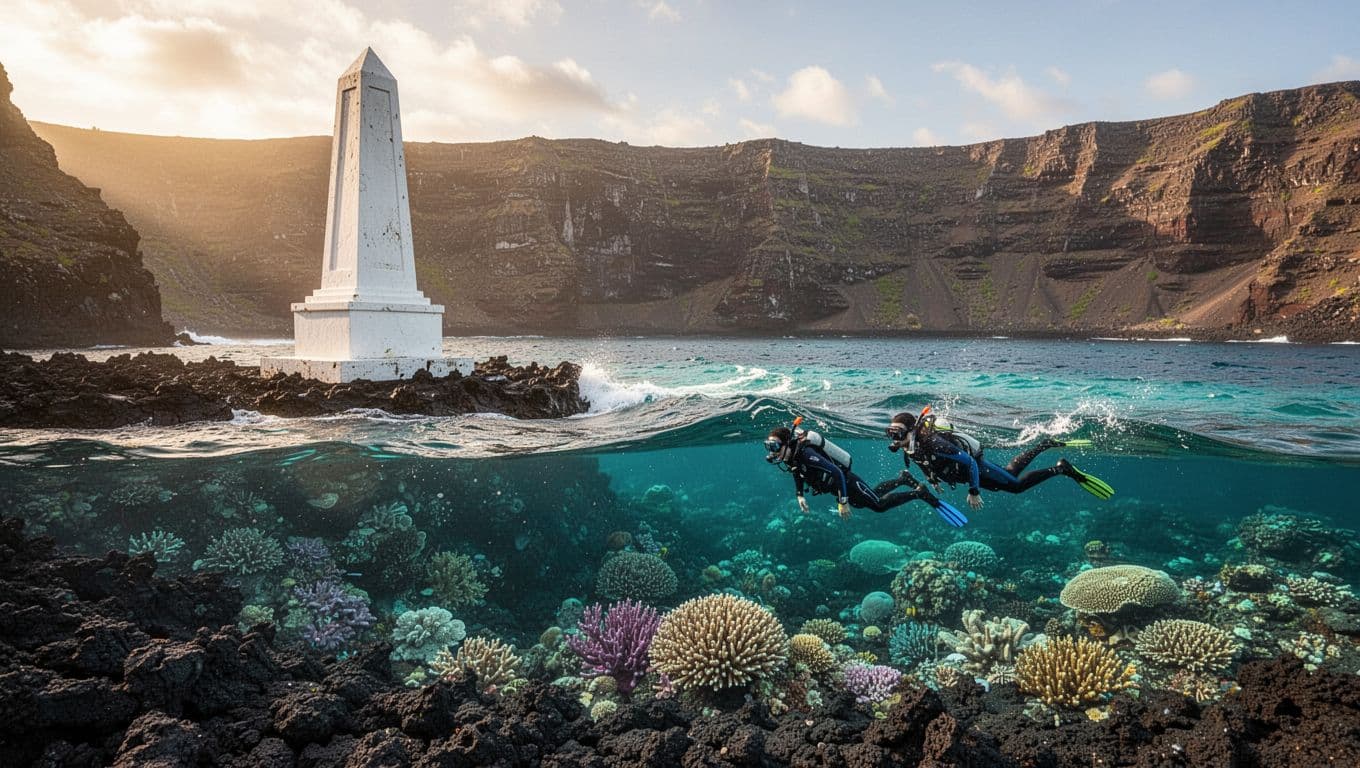
Tall white obelisk commemorating the explorer Captain James Cook, standing in the bay since 1874. It marks the site where the explorer met his end.
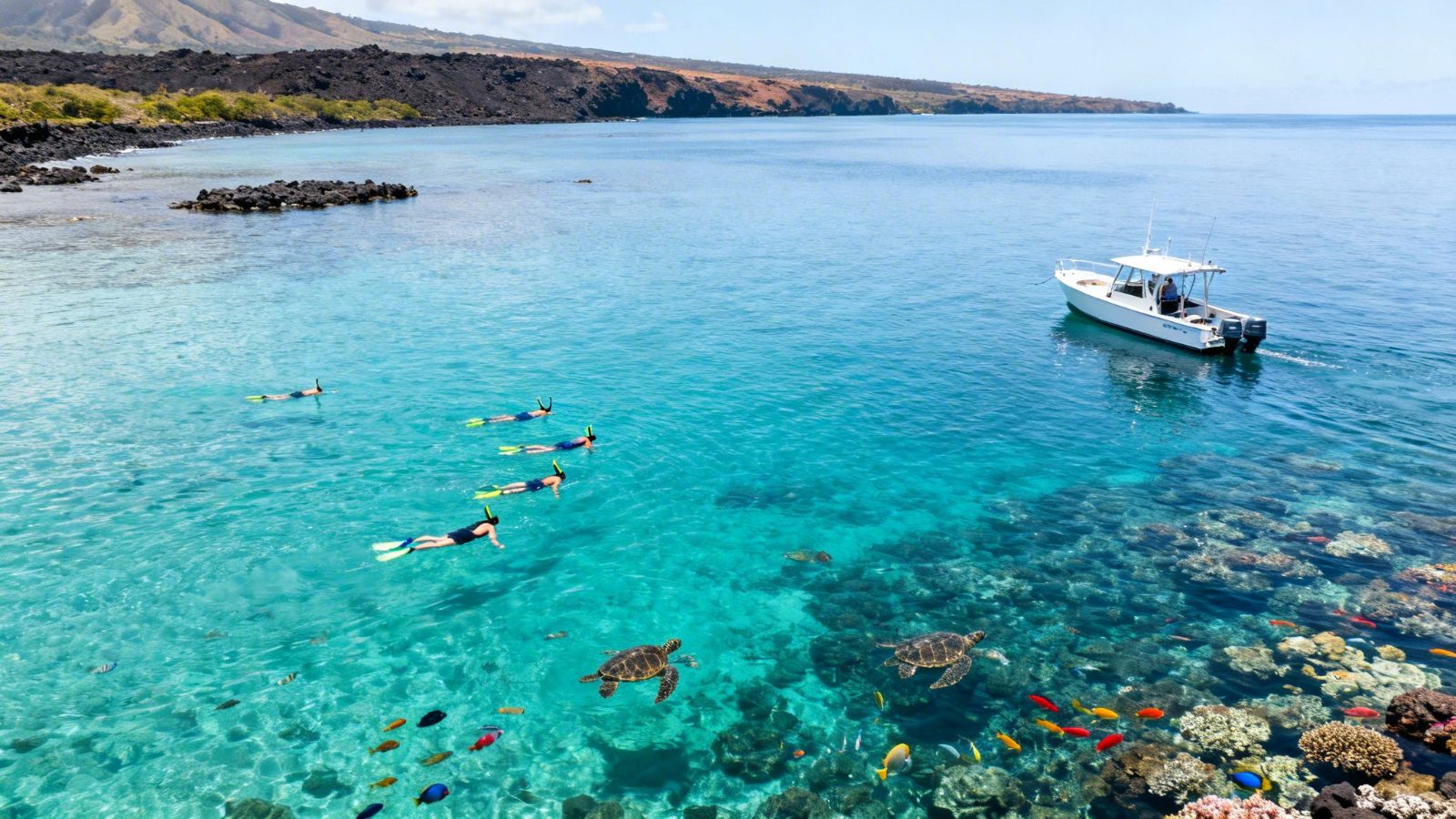
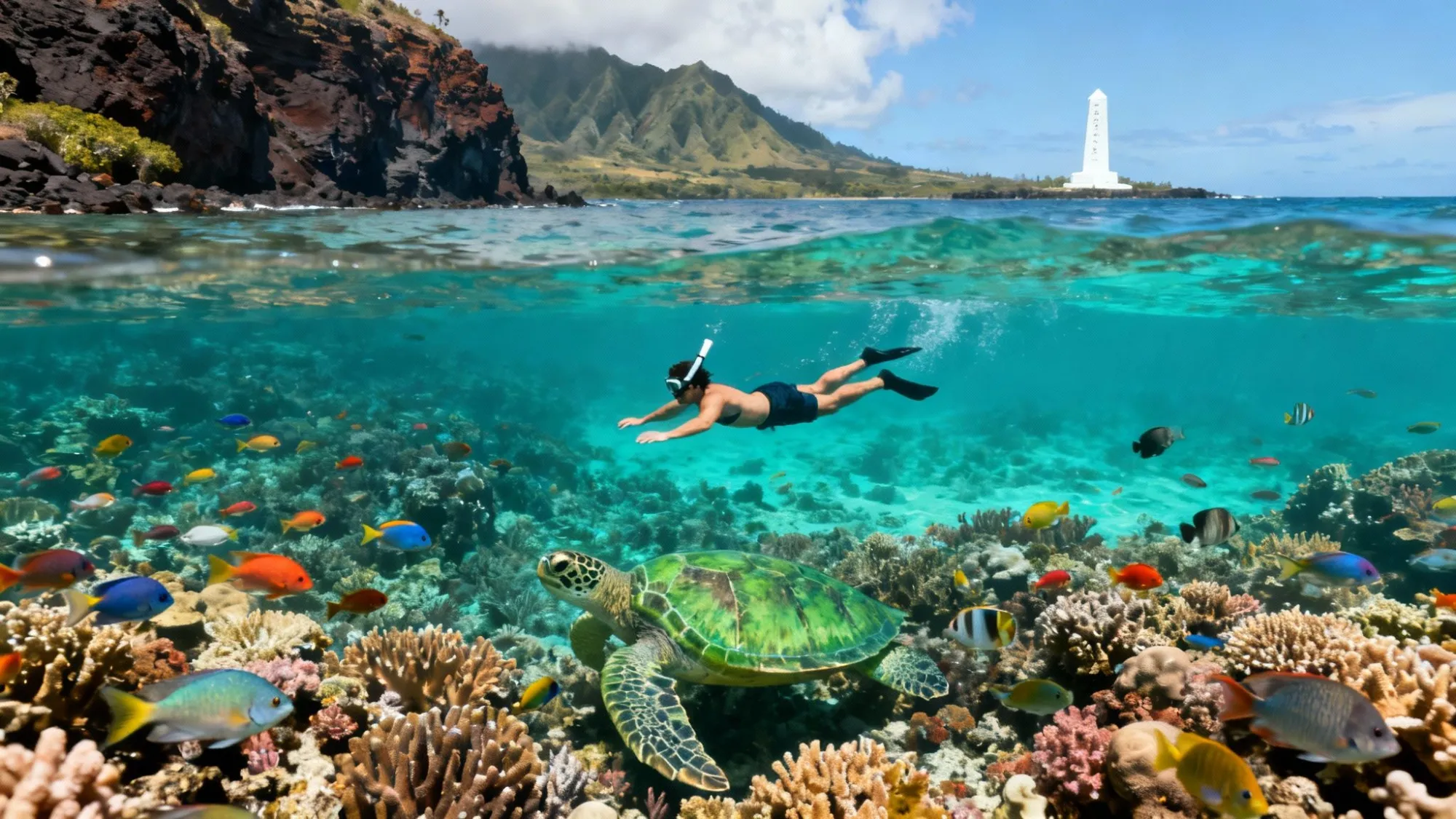
Vibrant shallow reefs protected by the bay, home to butterflyfish and tangs. The clarity often exceeds 50 feet.
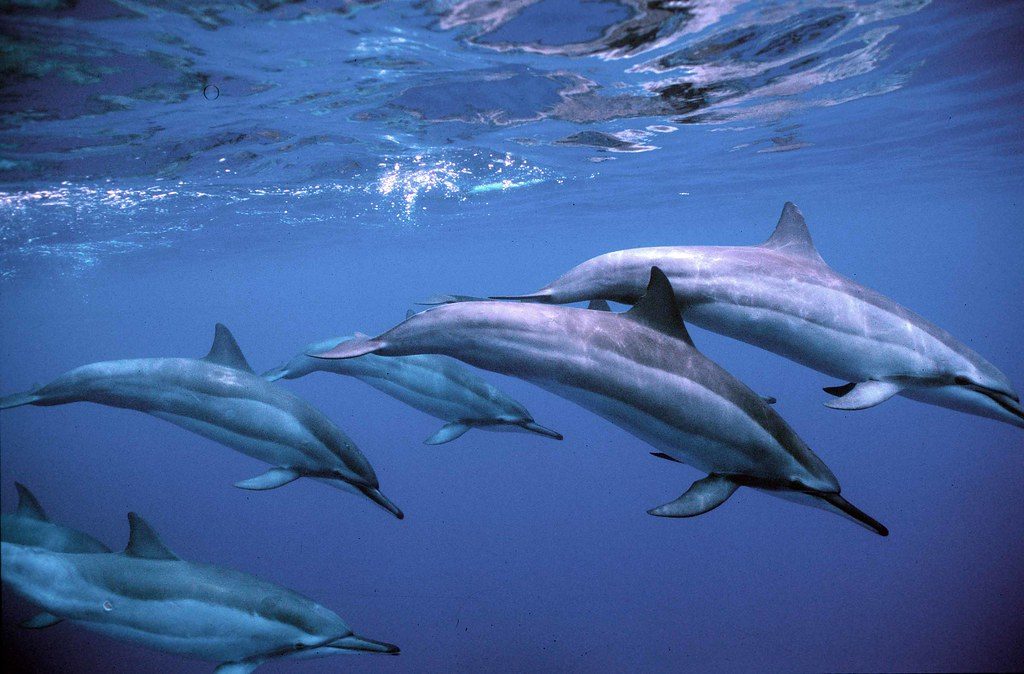
Sheltered waters frequently visited by pods of spinner dolphins resting. Maintain distance to allow them to rest safely.
All the details about your upcoming adventure in one place
Kealakekua Bay holds 188 acres of state-protected marine sanctuary where coral reefs drop to depths exceeding 100 feet along the Big Island's western shelf. Captain James Cook anchored here on January 17, 1779, and seventeen days later was killed during a confrontation with Native Hawaiians over a stolen ship's boat.
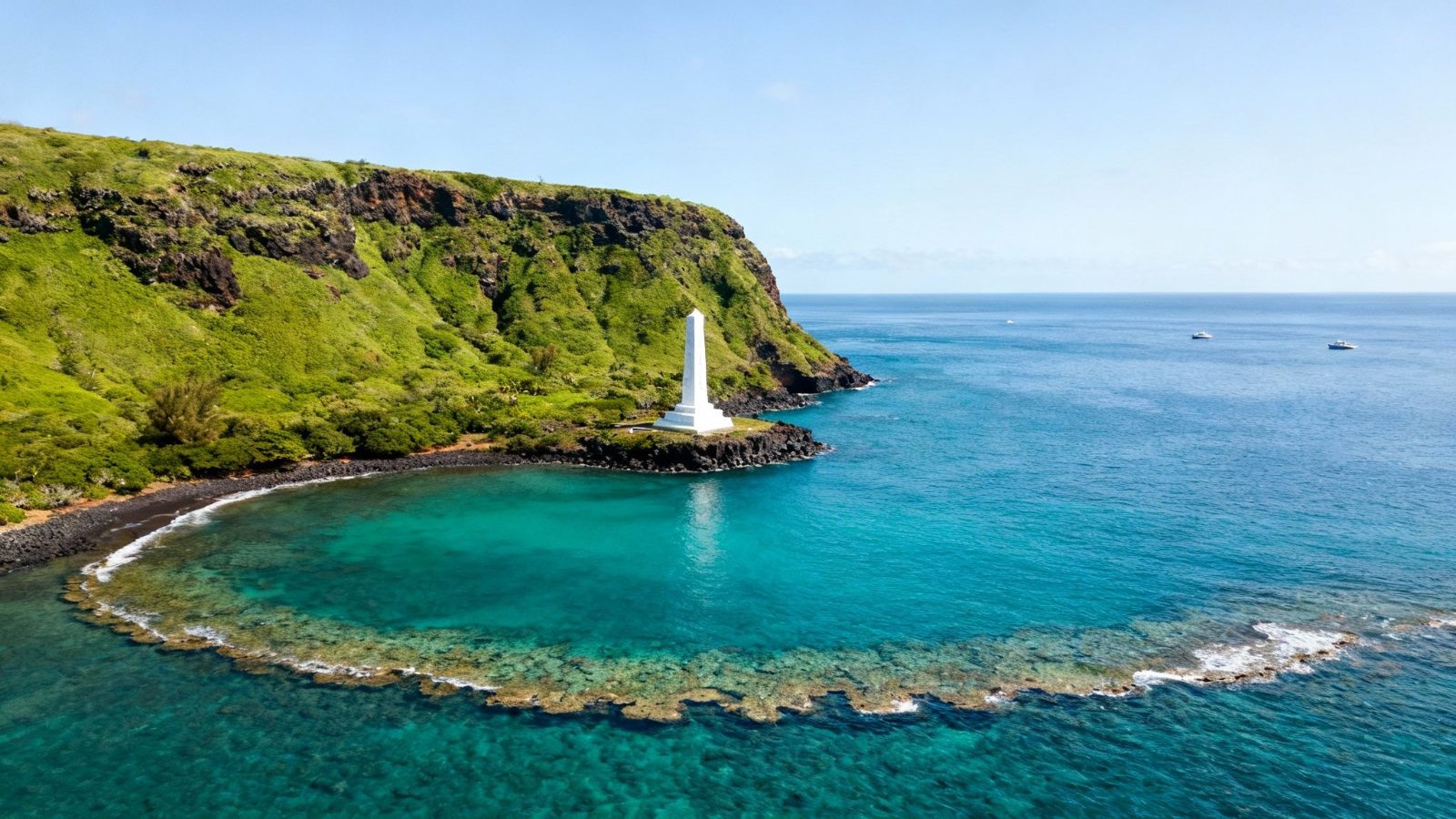
A white marble obelisk stands on the north shore where he fell, accessible only by water or a steep overland trail that descends 1,300 vertical feet in less than two miles.
The bay's significance extends beyond its colonial history. Hawaiian oral tradition names Kealakekua as the landing site of the god Lono, whose annual return during the Makahiki festival coincided with Cook's arrival. The reefs support over 600 species of fish and 25 endemic coral formations, with visibility routinely exceeding 100 feet due to the bay's shelter from prevailing trade winds. The state designated the area a Marine Life Conservation District in 1969, prohibiting all fishing and anchoring within the sanctuary boundaries.
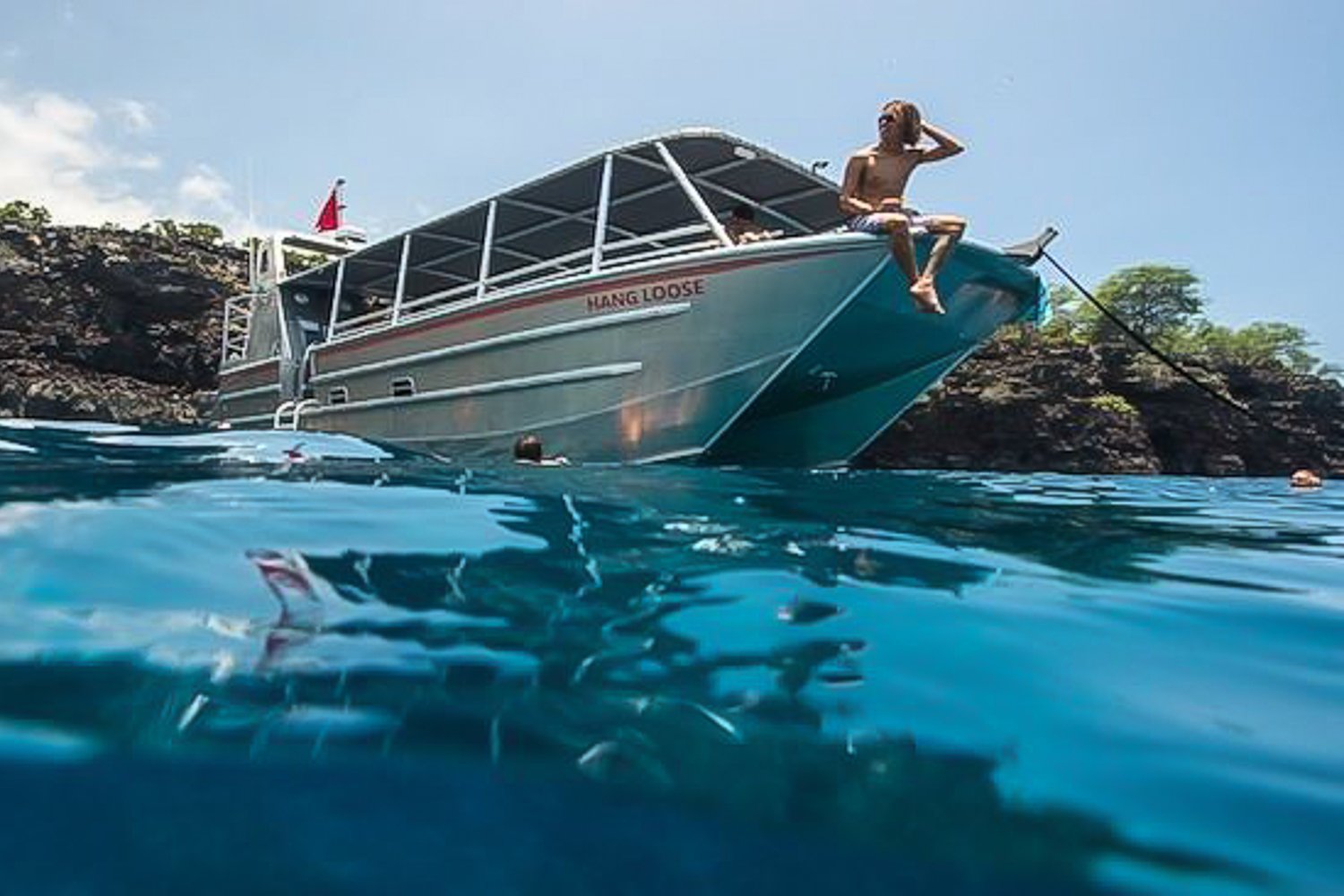
Captain cook snorkeling kona tours depart from Kailua-Kona's Keauhou Bay and Honokohau Harbor, reaching the monument site via protected coastal routes. Morning departures capitalize on calm conditions before afternoon Kona winds roughen surface waters. The reef structure includes lava tubes, underwater arches, and vertical drop-offs where pelagic species congregate. Spinner dolphins frequent the bay's northern quadrant during early morning hours, resting in shallow water after nocturnal feeding runs offshore. The monument itself occupies British sovereign territory, a 25-square-foot parcel deeded to the United Kingdom in 1877.
Tour operators maintain strict adherence to marine sanctuary protocols, including mandatory briefings on coral-safe practices and prohibited contact with sea turtles. The bay's geology reflects its volcanic origin: black lava shelves transition abruptly to white coral sand channels, creating distinct thermal zones where upwelling currents deliver nutrient-rich water from depth. This convergence sustains one of Hawaii's densest concentrations of reef fish, with endemic species including the yellow tang, Moorish idol, and Hawaiian cleaner wrasse visible in schools exceeding 200 individuals.

The reefs support over 600 species of fish and 25 endemic coral formations, with visibility routinely exceeding 100 feet.
Cancellation terms depend on the specific captain cook snorkeling kona tours provider selected. Refunds are subject to the operator's individual policy regarding the 0 USD entrance fee and vessel booking.
Weather · crowds · average price — dots go green to amber to red as each metric rises.
Mild temperatures and clear visibility ideal for water activities.
Warmest waters, though mid-morning winds can increase by afternoon.
Generally calmer seas and fewer crowds compared to winter months.
Excellent whale watching opportunities, though surf conditions vary.
Apply reef-safe sunscreen 20 minutes before entering the water. This protects the ecosystem during captain cook snorkeling kona excursions.
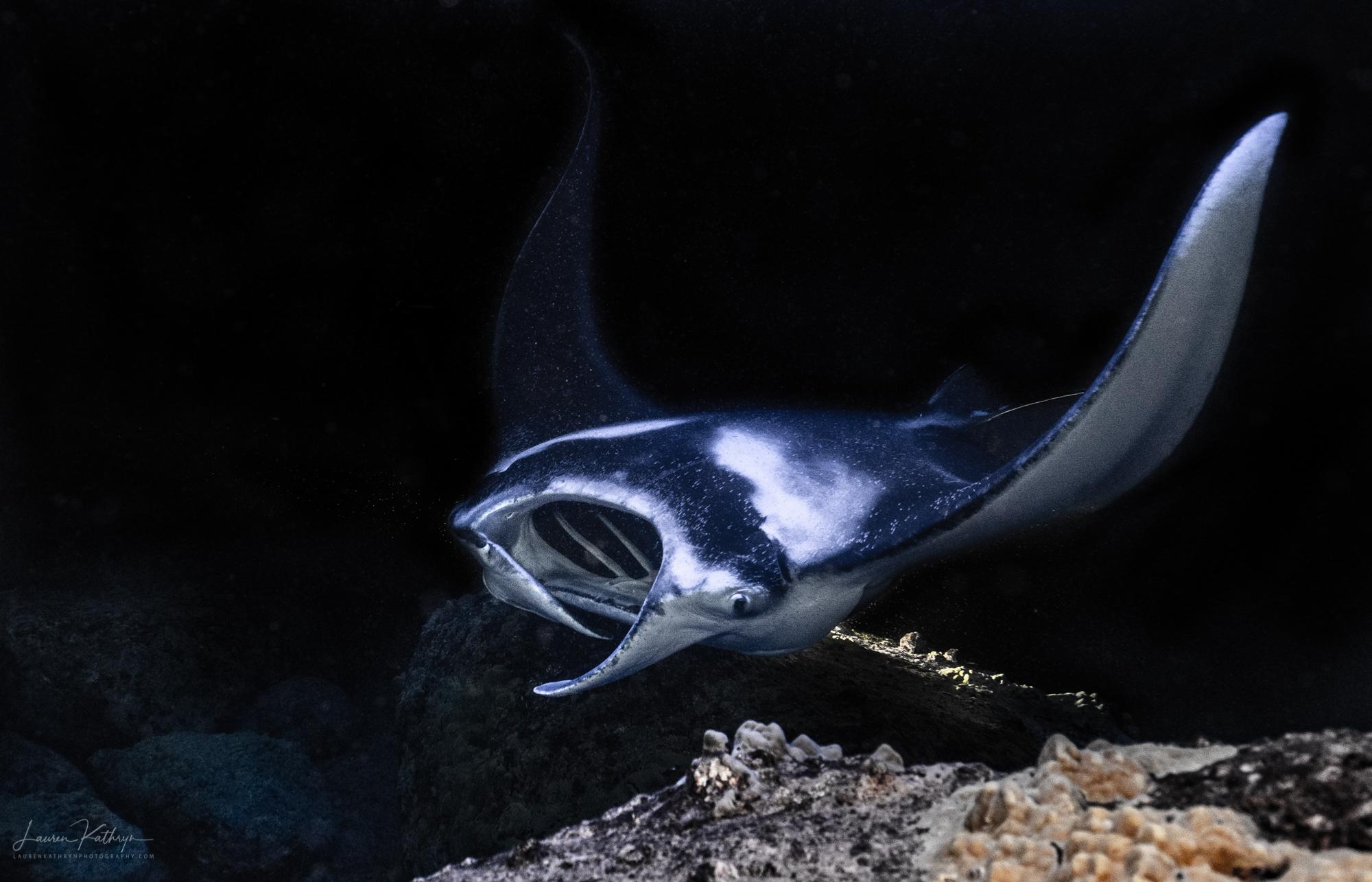
Observe wildlife from a distance and do not feed fish. This is crucial for maintaining the health of the reef in captain cook snorkeling kona areas.
Wear sturdy shoes if planning to hike the trail to the monument. The path is uneven and rocky.
Rent gear in town if your tour does not include it. Quality equipment improves your captain cook snorkeling kona experience.
Bring more water than you think you need. Dehydration occurs quickly in the tropical Kona sun.
Kealakekua Bay entered global consciousness on January 17, 1779, when Captain James Cook anchored the HMS Resolution in its sheltered waters during his third Pacific voyage. The British explorer arrived during the makahiki festival season, a period honoring the god Lono, and Hawaiians initially received him with elaborate ceremonies. Cook's ships had departed weeks earlier but returned after storm damage forced repairs. This second arrival broke the sacred rhythm of the festival cycle. Tensions escalated over a stolen cutter boat. On February 14, 1779, Cook went ashore with a marine detachment to take Chief Kalaniʻōpuʻu hostage in exchange for the boat's return. A confrontation erupted on the lava-rock shore. Cook fired his musket, killing a Hawaiian chief. Warriors retaliated with stones and clubs. Cook fell at the water's edge, struck from behind, and was killed alongside four marines. His body was dismembered according to Hawaiian funerary customs reserved for high chiefs, with bones distributed among regional aliʻi. The Resolution's crew departed after recovering some remains, which were buried at sea in the bay. The site remained unmarked for a century. In 1874, the British government commissioned a white obelisk monument on the rocky point where Cook died. The 27-foot stone pillar stands on a small parcel deeded in perpetuity to the United Kingdom, technically British soil. Hawaiians call the site Kaʻawaloa, meaning "the removed path." The monument became a pilgrimage point for British naval vessels visiting Hawaiian waters. Access by land requires a steep, unmaintained trail; most visitors arrive by water. Kealakekua Bay was designated a Marine Life Conservation District in 1969, protecting the coral reefs that thrive in the bay's calm, deep waters. The snorkeling site around the monument now attracts captain cook snorkeling kona tours, which launch daily from ports along the Kona coast. The state established Kealakekua Bay State Historical Park in 1973 to preserve both the ecological and cultural significance of the watershed. Spinner dolphins frequent the bay at dawn. The shoreline remains undeveloped, with cliffs rising 600 feet above the water. Native historians emphasize that the bay holds layered meaning beyond Cook's death, serving as a royal residence and bonefishing ground for centuries before 1779.
Captain Cook anchors HMS Resolution in Kealakekua Bay during the makahiki festival honoring Lono.
Cook is killed during a confrontation over a stolen boat; his body is treated according to Hawaiian chiefly funerary rites.
British government erects a 27-foot stone obelisk on the shore where Cook fell, on land deeded to the United Kingdom.
Kealakekua Bay designated a Marine Life Conservation District, protecting coral reefs and marine ecosystems.
State establishes Kealakekua Bay State Historical Park, preserving the bay's ecological and cultural resources.
Captain cook snorkeling kona operations expand as reef protection measures stabilize fish populations and coral health.
Capture the stark white obelisk against the backdrop of dark volcanic rock and the deep blue Pacific. Stand on the rocky shore near the base for the most direct perspective of the structure from the water level.
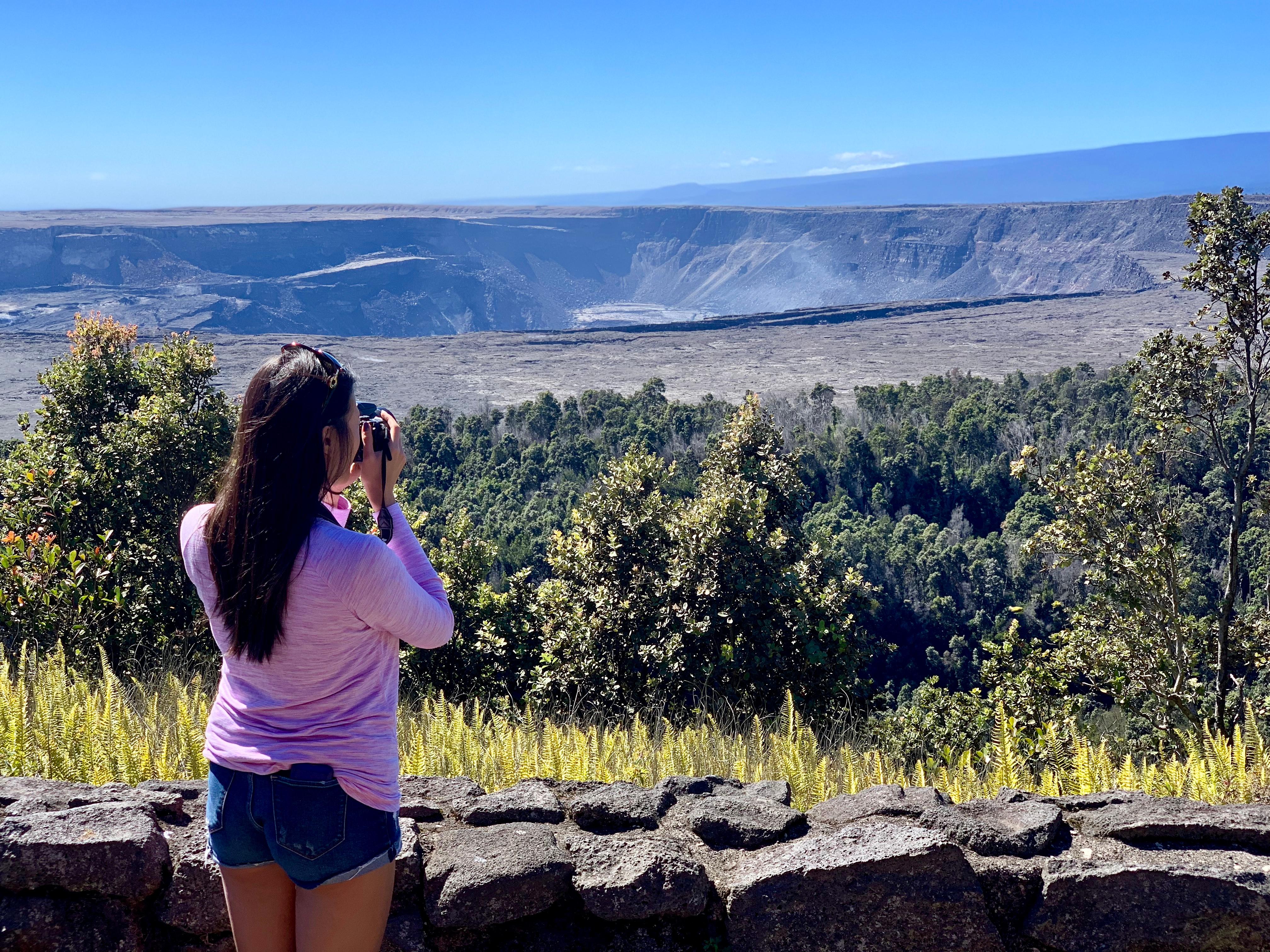
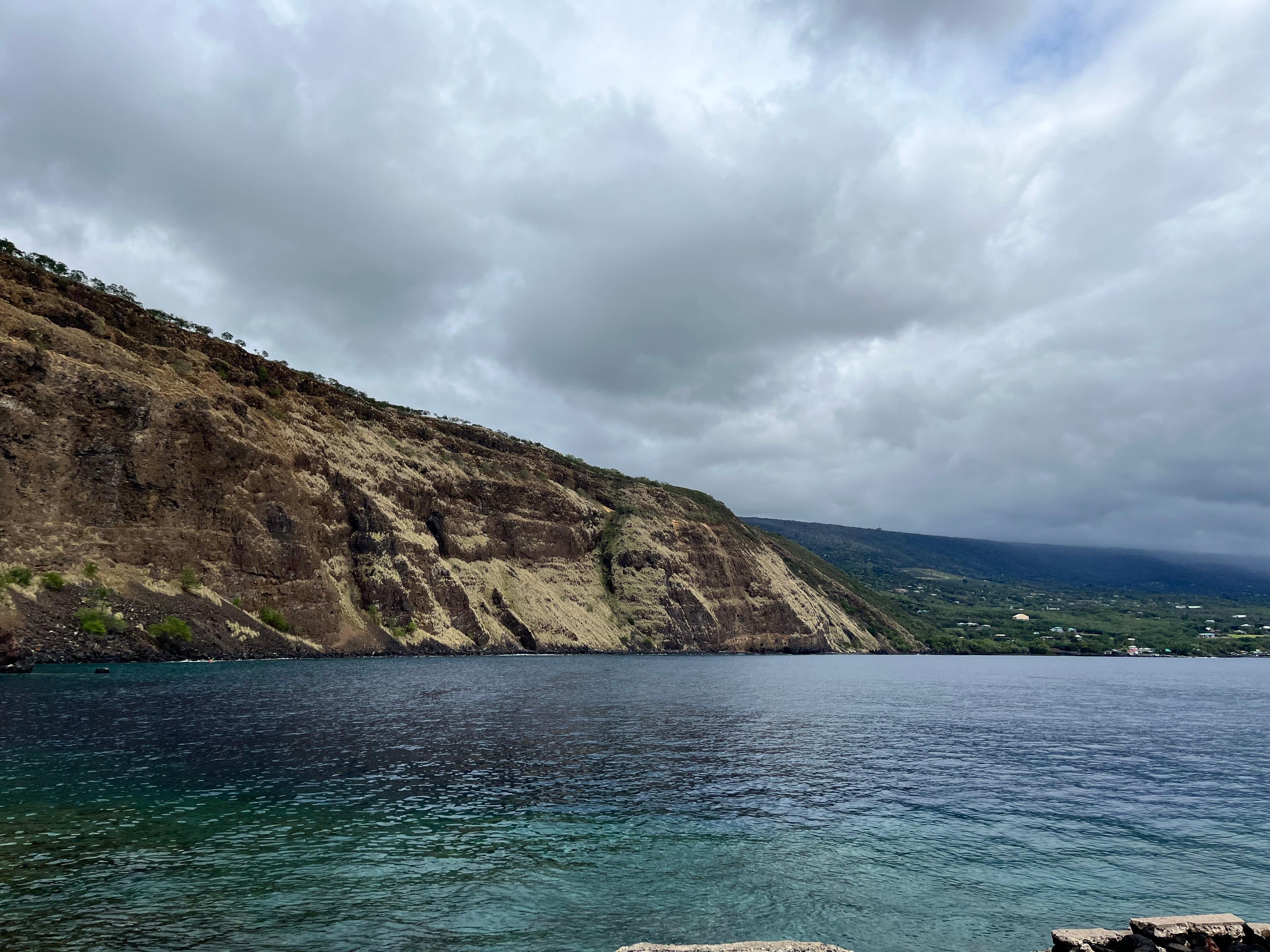
This vantage point offers a high-elevation perspective overlooking the bay where you can see the scale of the coastline. It is ideal for wide-angle landscape shots before embarking on captain cook snorkeling kona tours.
Focus your lens on the vibrant coral reefs visible through the clear water surface while utilizing a polarizing filter to reduce glare. This location provides the clearest window into the aquatic life found during a captain cook snorkeling kona tour.
Shoot from the water toward the cliffs to frame the monument within the natural amphitheater of the bay. This specific angle is highly sought after by photographers booking captain cook snorkeling kona tickets to document the sheer scale of the pali cliffs.
Planning a trip for captain cook snorkeling kona requires careful consideration of the challenging terrain and remote marine environment. While the protected waters of Kealakekua Bay offer calm conditions, families must prioritize safety when choosing between hiking the steep trail or booking professional boat excursions.
Hiking the Ka’awaloa Trail with children is difficult due to the steep, unshaded incline; choosing one of the captain cook snorkeling kona tours is safer and more accessible for families.
Younger swimmers should wear life vests regardless of their ability, as the marine sanctuary depths drop off quickly near the reef.
Pack high-quality masks and snorkel fins for all family members, as equipment rentals are rarely available on-site at this historic landmark.
Aim to follow the best arrival window of 07:00–10:00 to ensure your captain cook snorkeling kona tour avoids afternoon trade winds and choppy seas.
There are no public restrooms or changing facilities at the monument site, so prepare for limited amenities before you depart for your captain cook snorkeling kona tickets adventure.
Kealakekua Bay is a protected marine sanctuary with no commercial food service on-site, making packing a picnic essential when planning your captain cook snorkeling kona excursion. Most visitors refuel at local eateries located in the nearby village of Captain Cook after completing their captain cook snorkeling kona tours.
Situated on the cliffside, this spot offers panoramic views and hearty breakfast options that are popular with those using captain cook snorkeling kona tickets. Expect a wait during mid-morning hours following the early arrival window.
Everything you need to know for your journey
Yes, swimming and snorkeling are the primary activities at the site. Always monitor marine conditions during your captain cook snorkeling kona visit.
You may bring food, but ensure you pack out all trash to keep the bay clean. No food vendors operate at the captain cook snorkeling kona location.
Photography is encouraged, provided you respect the historical nature of the area. Underwater cameras are great for capturing your captain cook snorkeling kona experience.
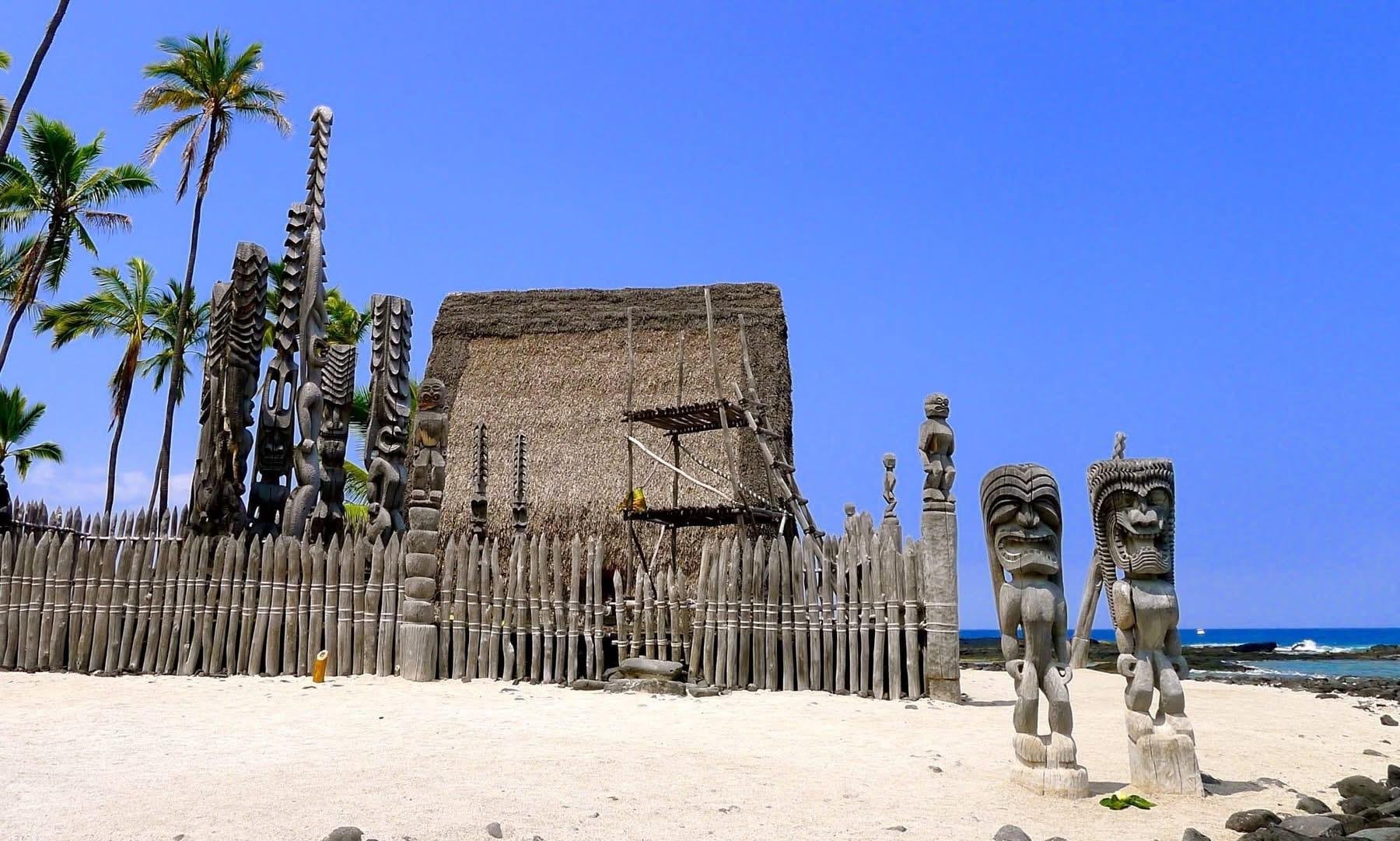
Historical refuge and cultural site.
Small, scenic beach for shore access.
Historic site known for intricate interior murals.
Convenient location for coastal transit.
Join thousands of happy travelers who have discovered this incredible experience
Book Your Experience Now